
What Is a Strain Gauge Transducer and How Does It Work?
A strain gauge transducer is a sensor that converts mechanical deformation into an electrical signal by detecting resistance changes when a material is stretched or compressed. It enables precise, real-time monitoring of structural stress, making it essential in infrastructure health monitoring, industrial systems, and smart IoT-based engineering applications.
What Is a Strain Gauge Transducer?
A strain gauge transducer is a sensor that measures strain (deformation) in a material and converts it into a measurable electrical signal.
In simple terms: It measures how much an object stretches or compresses.
- Technically: It converts mechanical strain into resistance change, which is translated into voltage.
- In engineering: It acts as a key sensing element in strain gauge load cells and structural monitoring systems.

What Is a Strain Gauge Sensor?
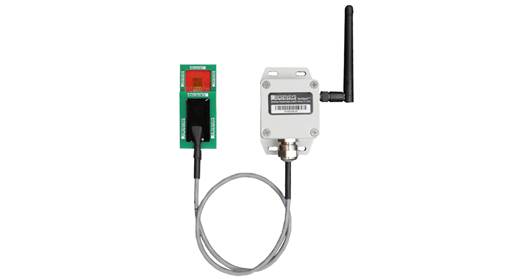
A strain gauge sensor is the fundamental sensing element used to measure mechanical deformation in a material. It works by detecting changes in electrical resistance when the surface it is attached to is stretched or compressed. While a strain gauge sensor itself only produces a resistance change, it becomes a complete measurement solution when integrated into a strain gauge transducer with signal conditioning and data processing components, such as wireless strain gauge sensors that enable real-time monitoring without complex wiring.
These sensors are widely used in structural health monitoring systems where engineers rely on accurate strain data to detect early-stage damage in bridges, buildings, and critical infrastructure. For comprehensive monitoring, they are often combined with wireless displacement sensors and wireless tilt sensors to provide a complete picture of structural behavior.
How Does a Strain Gauge Transducer Work?
Step 1: Mechanical Force Is Applied
External forces like load, pressure, or vibration act on a structure.
Step 2: Micro-Deformation Occurs (Microstrain)
The material deforms slightly, measured in microstrain (με), where:
- 1 με = 1 × 10⁻⁶ strain
Step 3: Electrical Resistance Changes
The strain gauge stretches or compresses, altering its resistance.
Step 4: Wheatstone Bridge Converts Signal
A Wheatstone bridge circuit detects tiny resistance changes and converts them into voltage.
Step 5: Signal Conditioning & Data Output
The signal is amplified, filtered, and transmitted to monitoring systems.
Final Output: Mechanical strain → Electrical signal → Actionable insights
What Is the Working Principle of a Strain Gauge?
The working principle is based on the piezoresistive effect, the change in electrical resistance due to mechanical strain.
Gauge Factor Formula
GF=ΔR/RεGF = \frac{\Delta R / R}{\varepsilon}GF=εΔR/R
Where:
- GF = Gauge Factor
- ΔR = Change in resistance
- R = Original resistance
- ε = Strain
Key Insight
- Typical metal gauge factor: ~2
- Semiconductor gauges: much higher sensitivity
What Is a Wheatstone Bridge and Why Is It Used?
A Wheatstone bridge is an electrical circuit used to precisely measure small resistance changes.
Why It Matters
- Detects micro-level strain changes
- Improves accuracy and sensitivity
- Reduces noise and temperature effects
Simple Explanation
It balances four resistors, any imbalance caused by strain produces a measurable voltage.
What Are the Main Components of a Strain Gauge Transducer?
- Strain Gauge Element (Foil/Wire): Senses deformation
- Backing Material: Transfers strain accurately
- Adhesive Layer: Bonds sensor to surface
- Wheatstone Bridge Circuit: Converts resistance to voltage
- Signal Conditioning Unit: Amplifies and filters data
What Are the Different Types of Strain Gauge Transducers?
1. Foil Strain Gauges
- Most widely used
- High stability and accuracy
2. Wire Strain Gauges
- Durable for large structures
- Lower sensitivity
3. Semiconductor Strain Gauges
- Extremely sensitive
- Used in precision applications
4. Rosette Strain Gauges
- Measures multi-directional strain
- Ideal for complex stress analysis
Where Are Strain Gauge Transducers Used?
Infrastructure & Structural Monitoring
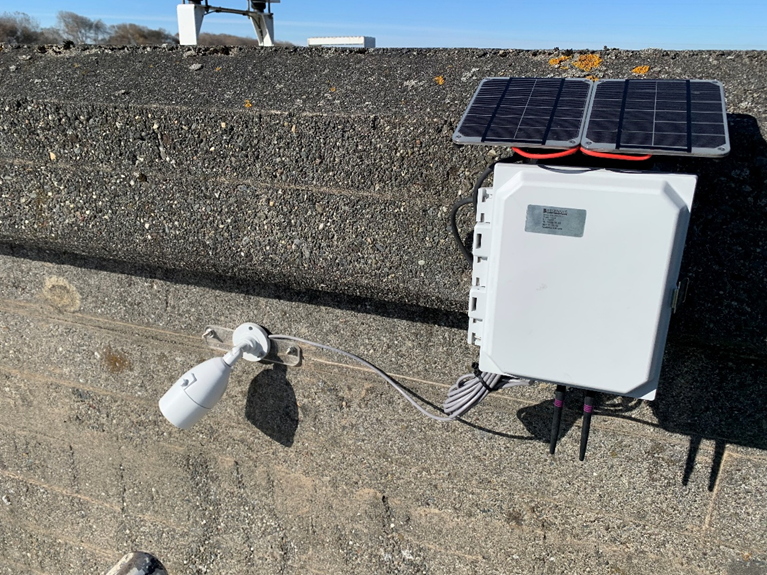
Used in bridges, dams, and buildings with wireless structural monitoring systems
Industrial Applications
- Load cells and weighing systems
- Machine stress monitoring
Aerospace & Automotive
- Fatigue testing
- Crash analysis
Real-World Example
In bridge monitoring, strain variations as low as 10-50 microstrain can indicate early structural fatigue. Using wireless strain gauge sensors, engineers can monitor these changes remotely and take preventive action before failure occurs.
Why Strain Gauge Transducers Are Critical for Smart Infrastructure
Modern infrastructure requires continuous, real-time insights, not periodic inspections.
Resensys Advantage
With wireless IoT-enabled strain sensors, you can:
- Monitor structures remotely (no wiring complexity)
- Get real-time alerts for stress anomalies
- Enable predictive maintenance
Advantages of Strain Gauge Transducers
Advantages
- High accuracy (microstrain detection)
- Real-time monitoring
- Versatile across industries
- Compatible with IoT systems
Strain Gauge Sensor vs Other Sensors
| Feature | Strain Gauge | Load Cell | Piezoelectric Sensor |
| Measures | Strain | Force | Dynamic pressure |
| Accuracy | High | Very High | Moderate |
| Output | Continuous | Continuous | Dynamic only |
| Best Use | Structural monitoring | Weighing systems | Vibration |
How to Choose the Right Strain Gauge Transducer?
Selection Checklist
- Measurement range (microstrain level)
- Environmental conditions
- Surface compatibility
- Required accuracy
- Integration with IoT systems
What Factors Affect Accuracy?
- Temperature variation
- Improper bonding
- Electrical interference
- Material inconsistency
- Calibration errors
How to Calibrate a Strain Gauge Transducer (Step-by-Step)
- Apply a known load
- Measure output signal
- Compare with theoretical values
- Adjust calibration settings
- Validate accuracy across range
Expert Insight: The Future of Strain Monitoring
Strain gauge technology is evolving with:
- AI-driven predictive analytics
- Wireless sensor networks
- Cloud-based monitoring dashboards
Companies adopting smart sensing ecosystems gain:
- Early failure detection
- Reduced downtime
- Improved safety compliance
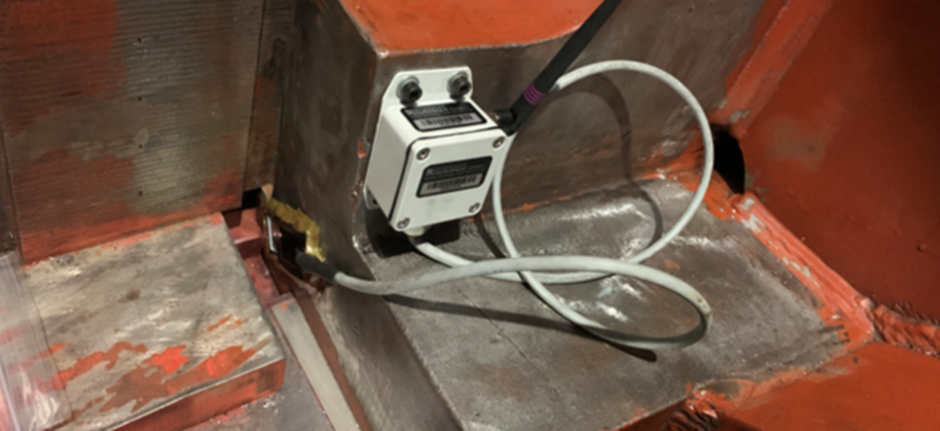
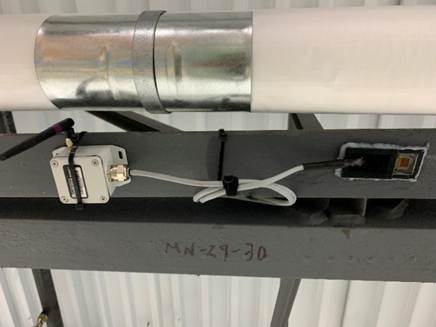
Installed Wireless Strain Gauge SenSpotTM sensors to detect cracks at a structure of a Hydroelectric Plant
FAQs
1. What does a strain gauge transducer measure?
It measures strain (deformation) caused by mechanical forces.
2. How does it convert strain into an electrical signal?
By changing electrical resistance, which is converted into voltage.
3. What is the gauge factor?
It defines the sensitivity of a strain gauge to strain.
4. What is microstrain?
A unit of strain equal to one-millionth of deformation.
5. Are strain gauge transducers accurate?
Yes, they are highly accurate when properly installed and calibrated.
6. Can strain gauges be used in IoT systems?
Yes, especially in wireless monitoring solutions for real-time insights.
Conclusion
A strain gauge transducer is a critical sensor that converts mechanical deformation into precise electrical signals. Its ability to detect micro-level strain makes it essential for structural health monitoring, industrial automation, and smart infrastructure. With IoT integration, it enables real-time, predictive, and data-driven decision-making.
Talk to Resensys experts today to design your monitoring system.

About Author

Matt
-
 Resensys continoius strain monitoring SenSpot sensors for load-rating of Route 12 bridge over Mill Brooke, Connecticut
On the warm early fall morning of the 22nd of September, 2015,
-
 Scour Critical Bridge Case Study: Wireless Tilt, Wireless Water Level Sensors and Camera on Continuous Span Concrete Girder Bridge
Monitored variables and members: piers tilt (incline; roll and pitch), water level