
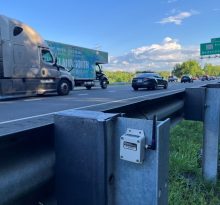
Imagine if your bridge could quietly tell you it’s starting to get tired – not after a crack shows up during an inspection, but weeks or months earlier, while there’s still time to act. That’s exactly what
Wireless Strain Sensor Archive
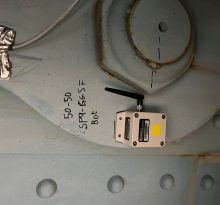
Tilt Sensor vs Strain Sensor: Which One Actually Tells You What’s Wrong with Your Infrastructure?
With more than 623,000 bridges across the U.S. and a $191 billion bridge rehabilitation funding gap, infrastructure owners can no longer afford to rely solely on what’s visible during routine inspections. The real question has shifted from
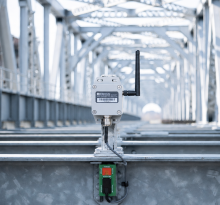
How Long Do Strain Gauges Actually Last? The Real Answer Every Infra Engineer Needs to Know
Ever installed a strain gauge sensor on a bridge and secretly wondered, “Okay, but how long before this thing ghosts me?” You’re not alone. With over 623,000 bridges across the U.S. and an average age pushing 47

How Engineers Are Tracking Bridge Fatigue in Real Time Without Complex Wiring?
Many bridges across the United States are now operating far beyond their original design expectations. Increased freight traffic, temperature fluctuations, corrosion, and repeated vibration cycles continue to accelerate structural fatigue across aging infrastructure. Traditional inspection methods were
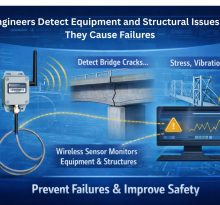
How Engineers Detect Equipment and Structural Issues Before They Cause Failures
Engineers today rely on continuous, data-driven methods to identify structural issues and risks long before visible damage appears. By using wireless condition monitoring, they can track structural behavior and equipment performance in real time, detecting early warning
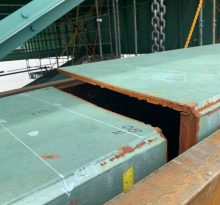
Why Bridges Fail Without Warning and How Smart Monitoring Prevents Disaster
Bridges are lifelines for communities and commerce, enabling transportation, daily commuting, and regional connectivity. Bridges do not collapse without warning; structural warning signs typically develop over months or even years, often in places no human eye can
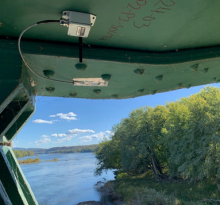
What Is a Strain Gauge Transducer and How Does It Work?
A strain gauge transducer is a sensor that converts mechanical deformation into an electrical signal by detecting resistance changes when a material is stretched or compressed. It enables precise, real-time monitoring of structural stress, making it essential

Integrating AI with Wireless SenSpot™ Sensor Data
Infrastructure doesn’t fail overnight. A bridge pier that collapses, a building column that buckles, or a dam that shows unexpected displacement, these failures trace back to gradual degradation that went undetected or unmeasured for years. The problem
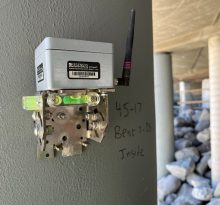
Low Power Wireless Sensors: The Shift to Zero-Maintenance Decade-Long Monitoring
The biggest operational challenge in long-term structural monitoring isn’t sensor accuracy or wireless range, it’s maintenance. Every time a technician visits a remote bridge, tunnel, or industrial tower to replace a sensor battery, it costs money, causes
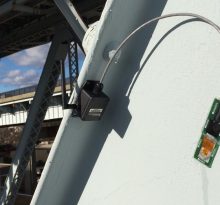
Alert Fatigue in Infrastructure Monitoring
Why Alert Fatigue Is a Growing Risk for Infrastructure Owners Digital monitoring has become essential for maintaining the safety and reliability of critical infrastructure. Bridges, transportation networks, industrial assets, and public facilities increasingly rely on sensor-based alerts