
Why Bridges Fail Without Warning and How Smart Monitoring Prevents Disaster
Bridges are lifelines for communities and commerce, enabling transportation, daily commuting, and regional connectivity. Bridges do not collapse without warning; structural warning signs typically develop over months or even years, often in places no human eye can see and no periodic inspection can consistently reach. These signs appear in stress data, microscopic crack propagation, and gradual stiffness changes that sensors can detect long before visible damage emerges. For this reason, relying solely on manual inspections is no longer sufficient. Implementing bridge structural health monitoring solutions allows engineers to detect deterioration early and intervene before failures occur. This post discusses why bridges fail and how smart bridge health monitoring solutions help prevent catastrophic events.

Real Reasons Why Bridges Fail
Understanding failure requires looking beyond the collapse footage and analyzing what actually set the process in motion. Here are some factors that cause failure.
- Structural Fatigue: Steel and concrete are strong, but depending on the traffic, these materials are also loaded and undergo wear with each vehicle crossing the bridge. This may go up to millions of load cycles per year. Over time, these repeated stresses cause materials to weaken at a microscopic level, even without exceeding the design and manufacturing upper limits. Over time cracks initiate at stress concentration points, such asweld toes, bolt holes, section transitions, remaining invisible to the naked eye during routine inspections. Deploying bridge monitoring sensors enables engineers to detect these early-stage changes and issue timely alerts before damage becomes critical.
- Environmental and Traffic Stress: Temperature swings cause thermal expansion and contraction. Freeze-thaw cycles work water into existing cracks and widen them. Salt and water accelerate corrosion, which silently reduces the cross-sectional area of steel components. Scour erodes the foundation material beneath bridge piers. Aside from the environmental elements, heavy vehicle loads, particularly overweight trucks, accelerate the damage. The cumulative effect of environmental exposure combined with traffic loading is rarely captured by inspection snapshots. It requires sustained observation over time.
- Inspections Are Not Continuous: Routine inspections provide snapshots, not continuous insight. Infrastructure assessment studies consistently show that visual inspections alone cannot capture continuous structural behavior under live traffic loading conditions, highlighting the need for data-driven monitoring approaches. A bridge could appear sound during a monthly or annual inspection but already be experiencing serious internal damage. Even trained engineers can only see what’s accessible; internal cracks or hidden stress points often go unnoticed. They cannot detect invisible internal cracking or measure live load response. Inspectors are skilled professionals working with a fundamental limitation: with manual inspection, they can only see what is visible. This issue is structural and even doing frequent inspections does not help. Hence, continuous bridge monitoring systems must be implemented.
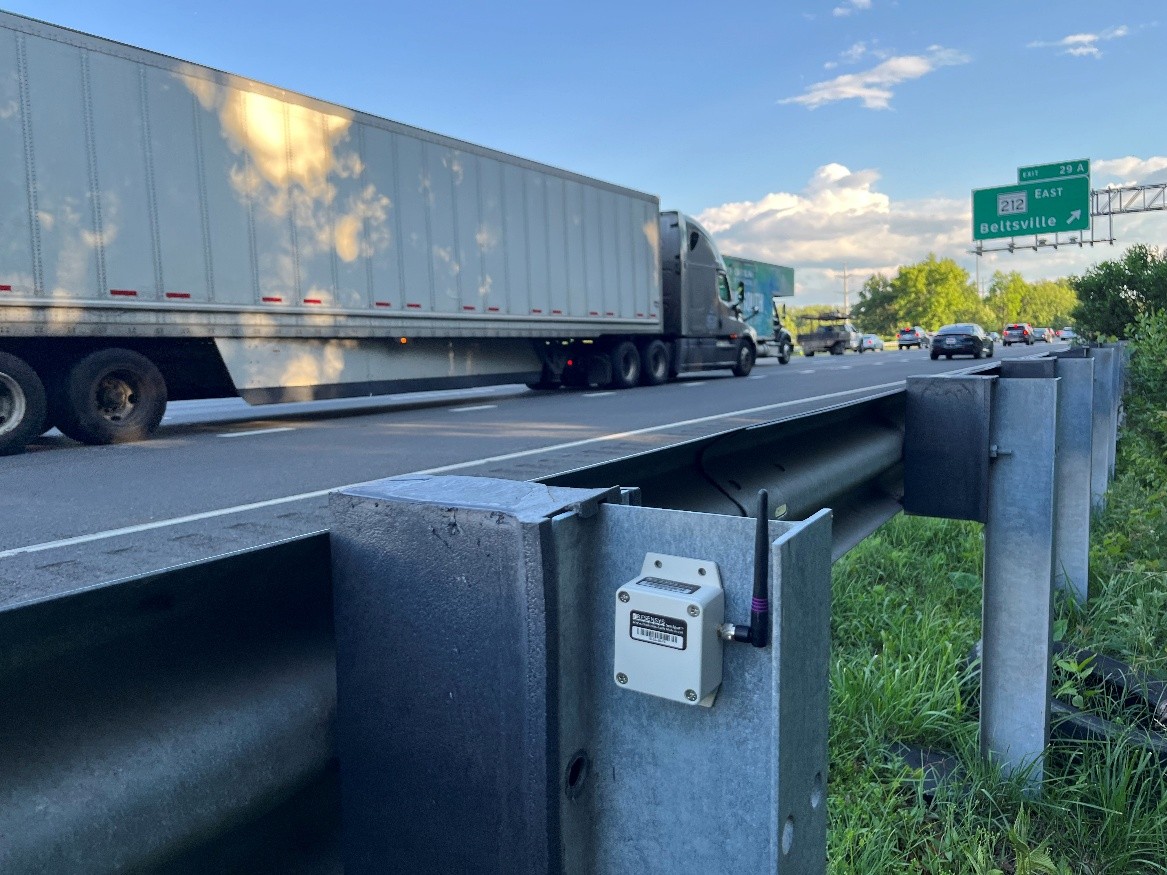
Causes of Sudden Collapse
When engineers analyze post-collapse data, sudden failures almost always trace back to a long-developing deficiency that was never detected in time.
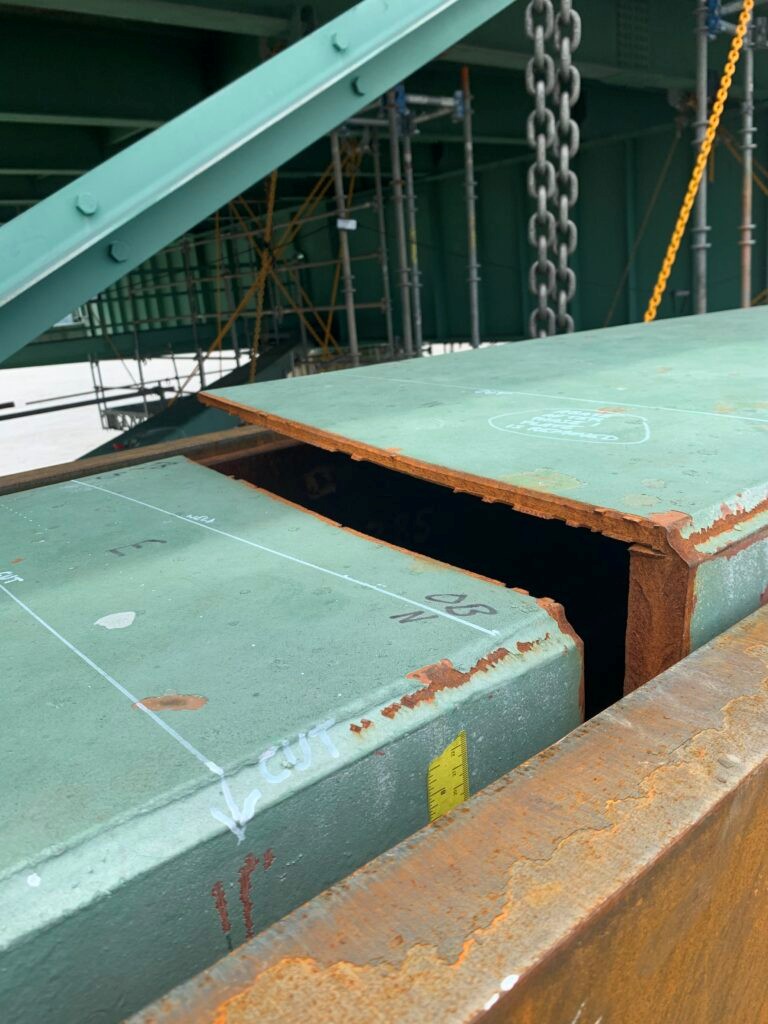
The collapse of the I-35W bridge in Minneapolis in 2007 is perhaps the most studied example in the United States. Investigators identified gusset plate undersizing as a contributing factor, but corrosion, fatigue, and added dead load all played roles that had been accumulating for years.
What makes collapses feel sudden is the final load event that pushes a compromised structure past its remaining capacity. By that point, the structure may have been operating at a dangerous margin for months. So, collapses are not sudden but a tipping point or a last step in a long process of wear and damage.
Implementing advanced bridge monitoring systems, such as bridge monitoring sensors, can significantly reduce the risk of undetected deterioration and improve early intervention capabilities.
What is Bridge Structural Health Monitoring
Bridge structural health monitoring is a technology-driven approach used to continuously evaluate the condition and performance of bridge structures. Instead of relying solely on periodic visual inspections, bridge structural health monitoring systems use distributed sensors to measure how a bridge behaves in real operating conditions: under traffic loads, environmental changes, and long-term material aging.
The objective is straightforward: identify structural changes early so maintenance decisions become proactive rather than reactive. By tracking stress, strain, vibration behavior, and deformation trends over time, engineers gain measurable insight into structural performance long before visible damage appears.
A modern bridge health monitoring system typically functions through three integrated components:
- Sensor Network: A complete system incorporates multiple sensor types placed at critical structural locations. Strain gauges measure load-induced stress, accelerometers capture dynamic response and changes in natural frequency, and crack gauges monitor the growth of existing defects. Tiltmeters and displacement sensors track structural movement, while corrosion and environmental sensors provide contextual data that helps engineers interpret performance trends accurately.
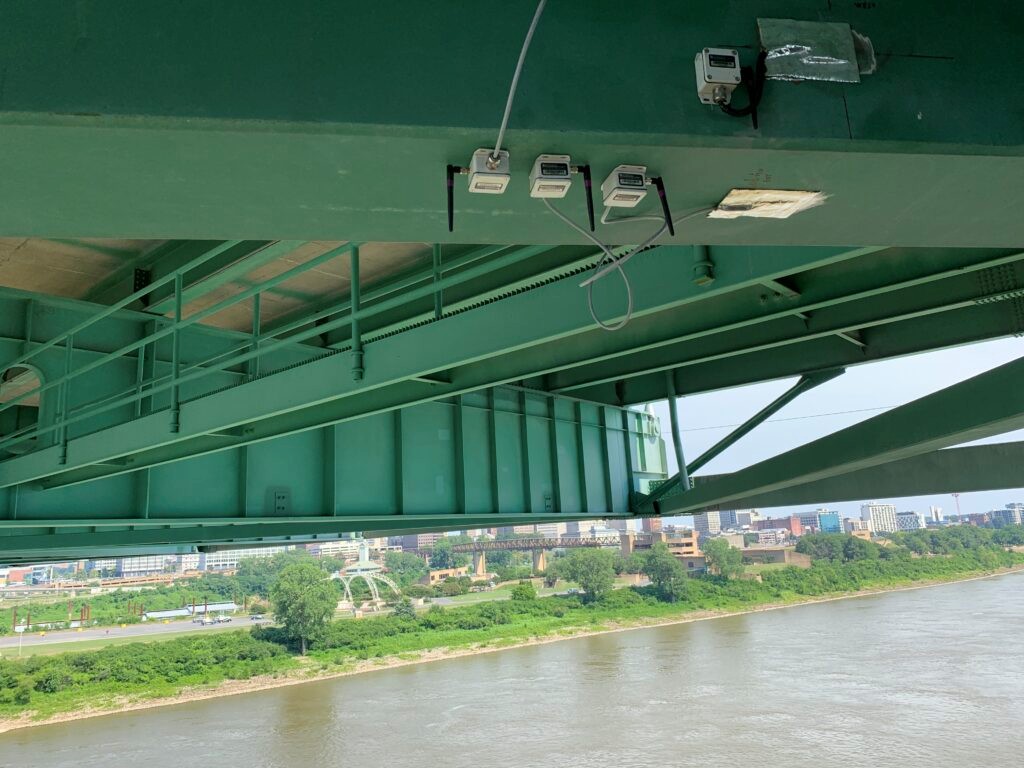
- Wireless Structural Monitoring Architecture: Monitoring technology has evolved significantly over the past decade. Earlier systems required extensive cabling, making installation costly and difficult on existing bridges. Wireless structural monitoring systems simplify deployment by eliminating complex wiring, allowing sensors to be installed with minimal disruption while enabling continuous, long-term monitoring across a wider range of structures.
- Data Processing and Decision Support: Data collected from each bridge monitoring sensor is transmitted to a centralized platform where it is processed, stored, and analyzed. Engineers access dashboards displaying real-time structural conditions, historical performance trends, and automated alert thresholds. This continuous data flow transforms monitoring from passive observation into an active decision-support system, enabling timely maintenance actions before deterioration develops into structural risk.
How Wireless Structural Monitoring Detects Failure Early
Wireless structural monitoring enables engineers to observe how a bridge behaves continuously under real operating conditions, making it possible to identify deterioration long before visible damage appears. By combining real-time sensing with automated analysis, these systems transform structural assessment from periodic inspection into continuous risk evaluation. Key early-detection capabilities include:
- Real-Time Stress Monitoring: Wireless strain sensors installed on critical structural components measure stress continuously as vehicles pass across the bridge. This data provides two important insights. Under live loading conditions, engineers can compare actual structural behavior with original design assumptions. Over time, accumulated load-cycle data supports fatigue life analysis, helping predict when components may require maintenance or reinforcement.
- Crack Detection: Crack propagation gauges measure precise opening displacement at known crack locations. When crack width exceeds predefined thresholds, automated alerts are generated. This capability is particularly valuable in steel bridges, where fatigue crack growth follows predictable mechanical behavior once sufficient monitoring data is available. Continuous measurement shifts crack management from reactive repair to data-driven assessment and planning.
- Remote Alerts: One of the most operationally significant advantages of wireless structural monitoring is automated remote alerting. Threshold exceedances in stress, crack width, tilt, or vibration frequency trigger immediate notifications to engineering teams via connected devices. For example, if an overnight vehicle impact damages a girder, engineers can be alerted before peak traffic begins. Similarly, abnormal vibration or frequency changes indicating potential stiffness loss can prompt immediate investigation. This rapid awareness fundamentally improves how bridge owners manage structural risk and response timelines.
Why Wireless Systems Outperform Traditional Methods
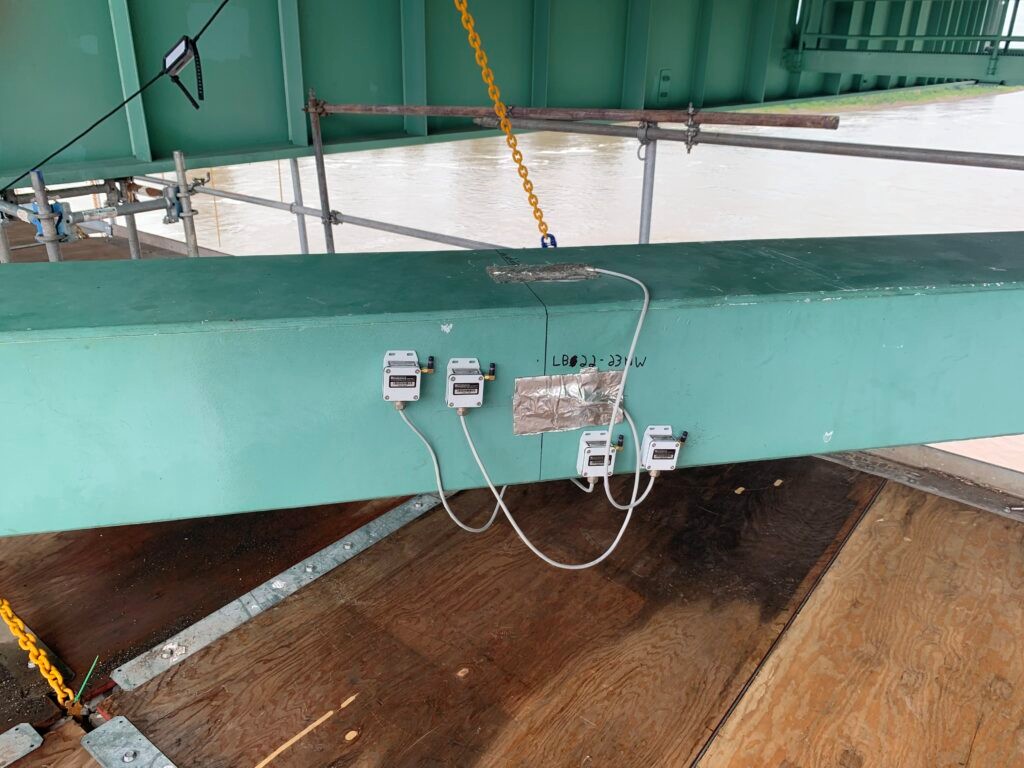
Traditional wired monitoring systems have been used in bridge engineering for decades. However, installing and maintaining cabling beneath bridge structures presents significant practical challenges. Routing conduit through complex geometries requires extensive access, increases installation time, and introduces long-term maintenance concerns in harsh and hard-to-reach environments. Retrofitting wired systems on existing bridges often involves disruptive construction activities and higher lifecycle costs.
- Minimal Installation Requirements: Wireless deployments require little to no extensive cabling and typically avoid major structural modifications. Sensors can often be installed on active bridges with minimal traffic disruption, reducing installation risk and project timelines.
- Reliable Wireless Communication: In wireless systems, sensors transmit measurements using radio-frequency communication to nearby data collection nodes, which securely relay information to a centralized monitoring platform. This architecture reduces physical infrastructure dependencies while maintaining continuous data transmission.
- Higher Data Density and Coverage: As installation costs are lower, a greater number of sensors can be deployed at critical structural locations. Increased sensor density improves spatial resolution of structural response, enabling engineers to identify localized damage patterns that may not be detectable through sparse monitoring configurations.
- Accessibility in Remote Areas: Wireless systems are particularly effective for bridges located in remote or constrained environments. Engineers can remotely access structural data and monitor crack behavior or performance trends without requiring frequent site visits, improving safety and operational efficiency.
Financial Impact of Undetected Damage
The financial consequences of undetected structural deterioration often far exceed the initial investment required to implement bridge monitoring systems. When damage progresses unnoticed, costs extend beyond repairs to include emergency response measures, traffic disruptions, legal exposure, and risks to public safety. Continuous bridge health monitoring helps shift infrastructure management from reactive spending to planned, cost-efficient maintenance. Key financial risks associated with delayed detection include:
- Compounding Structural Damage: Minor defects can escalate rapidly when left unmonitored. A fatigue crack identified early may require only localized repair, whereas the same crack, if undetected, can propagate until full component replacement becomes necessary, significantly increasing material, labor, and downtime costs.
- Escalating Scour and Foundation Risks: Scour damage detected prior to a major flood event may be mitigated through relatively low-cost protective measures. However, if erosion remains unnoticed until partial foundation failure occurs, remediation may involve extensive structural stabilization or even full bridge replacement, increasing costs by orders of magnitude.
- Liability exposure: Agencies that implement continuous monitoring and maintain documented responses to sensor alerts are typically better positioned from a legal and risk-management perspective than those relying solely on periodic visual inspections. Demonstrating proactive asset management can reduce liability exposure while strengthening public and regulatory confidence.
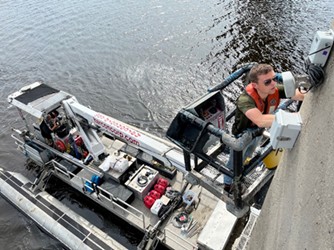
How Resensys Sensors Provide Actionable Intelligence to Prevent Disasters
As bridge infrastructure continues to age while traffic demands increase, infrastructure owners are moving toward continuous monitoring solutions that deliver reliable, real-time structural insight. Resensys bridge monitoring systems are designed to support this shift by combining wireless sensing technology with advanced data analytics to enable informed maintenance decisions.
Our SenSpot wireless sensor platform is engineered for long-term field deployment, with self-contained, battery-powered sensors that communicate wirelessly through SenMesh network nodes. This architecture enables scalable wireless structural monitoring without the installation challenges associated with traditional wired systems.
Rather than presenting engineers with isolated measurements, the platform converts structural data into actionable engineering insights, allowing teams to track performance trends, identify anomalies, and prioritize maintenance activities based on measurable risk. For agencies responsible for multiple bridges, centralized dashboards provide portfolio-level visibility, helping decision-makers manage infrastructure assets more proactively and efficiently.
Organizations seeking to strengthen their bridge structural health monitoring strategy can explore how Resensys solutions support continuous monitoring and data-driven asset management by connecting with the Resensys team for additional technical information.

About Author

Matt
-
 Alert Fatigue in Infrastructure Monitoring
Why Alert Fatigue Is a Growing Risk for Infrastructure Owners Digital monitoring
-
 Monitoring Settlement of a Retrofitting Concrete Beam at a Building
Project Preview A high rise building’s load bearing concrete beam, which is