
How Engineers Detect Equipment and Structural Issues Before They Cause Failures
Engineers today rely on continuous, data-driven methods to identify structural issues and risks long before visible damage appears. By using wireless condition monitoring, they can track structural behavior and equipment performance in real time, detecting early warning signs such as abnormal vibration, tilt, or strain. This proactive approach helps prevent failures, reduce downtime, and improve safety across infrastructure and industrial assets.
What Is Condition Monitoring in Engineering?
Condition monitoring is the process of continuously assessing the health of equipment or structures using sensors, data acquisition systems, and analytics. Instead of relying solely on periodic inspections, engineers use monitoring systems to capture real-time data and identify subtle changes that may indicate potential problems.
In modern engineering, wireless condition monitoring plays a critical role by enabling remote, scalable, and cost-effective monitoring without the need for extensive cabling. These systems are widely used in bridges, buildings, industrial machinery, and energy infrastructure.
Why Early Detection Is Critical for Infrastructure and Equipment
Failures in infrastructure or equipment are rarely sudden; they are usually the result of gradual deterioration that goes unnoticed. Early detection allows engineers to intervene before minor issues escalate into major problems.
What Happens When Structural Issues Go Undetected?
- Small cracks develop into structural weaknesses
- Increased stress leads to material fatigue
- Equipment inefficiencies cause unexpected breakdowns
- Emergency repairs result in higher costs and downtime
For U.S. infrastructure owners and operators, these risks translate into financial losses, safety hazards, and potential liability. Early detection is not just a technical advantage; it is a strategic necessity.
Key Signs Engineers Look for Before Failures Occur
Engineers monitor specific indicators that signal potential issues. These early warning signs often appear long before visible damage.
- Abnormal vibration: Indicates imbalance, wear, or mechanical faults
- Structural tilt or displacement: Signals instability or foundation issues
- Increased strain or stress: Suggests overloading or material fatigue
- Temperature fluctuations: Points to overheating or environmental stress
- Changes in dynamic behavior: Reveals structural or operational anomalies
By continuously tracking these parameters, engineers can detect risks early and take corrective action.
Technologies Engineers Use to Detect Issues Early
Wireless Sensors
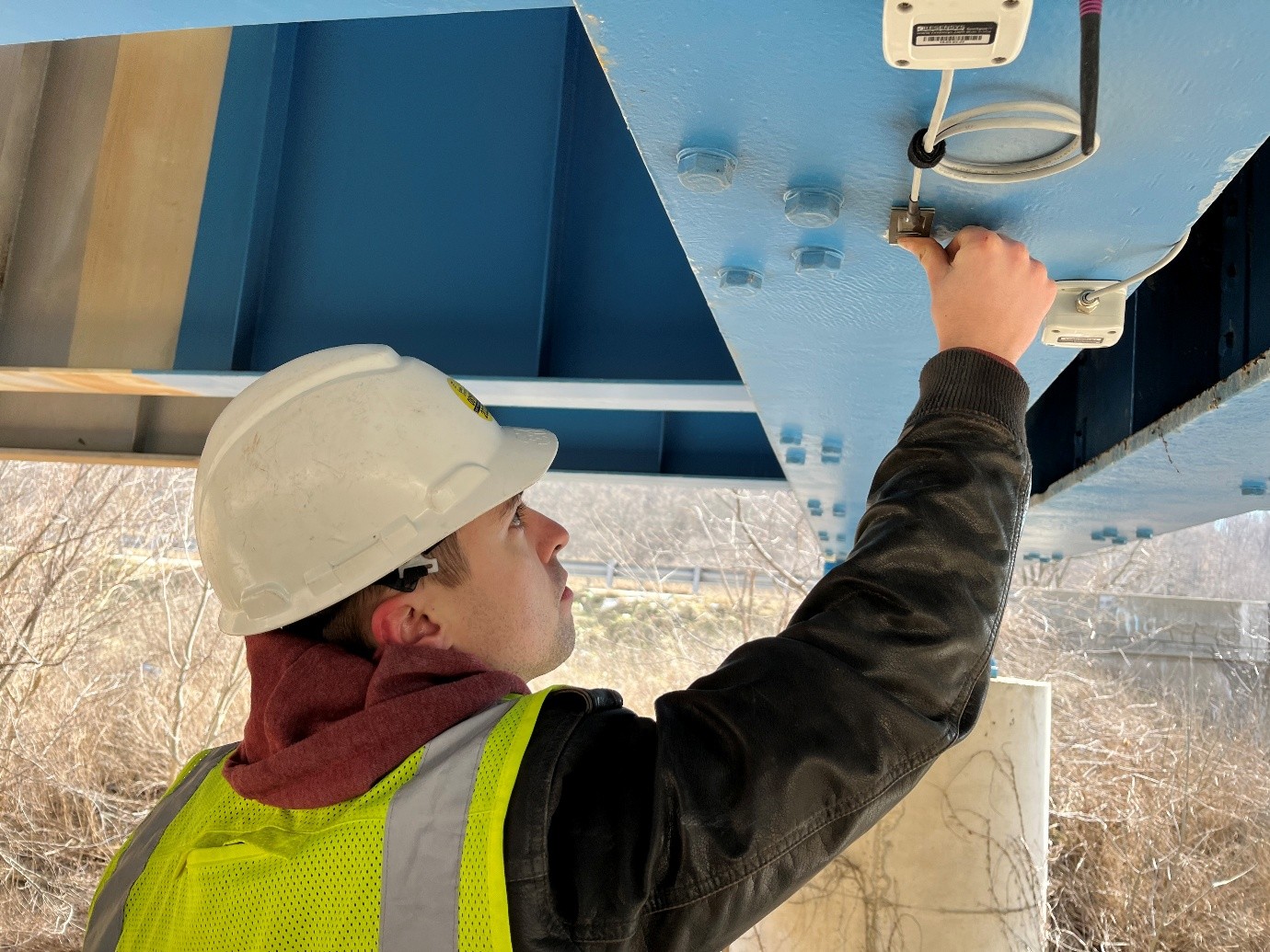
Wireless sensors are the backbone of modern monitoring systems. They are easy to install, require minimal maintenance, and can be deployed across large or remote structures.
Vibration Monitoring Systems
These systems measure oscillations in machinery and structures, helping identify imbalances, misalignments, and wear-related issues.
Tilt and Displacement Sensors
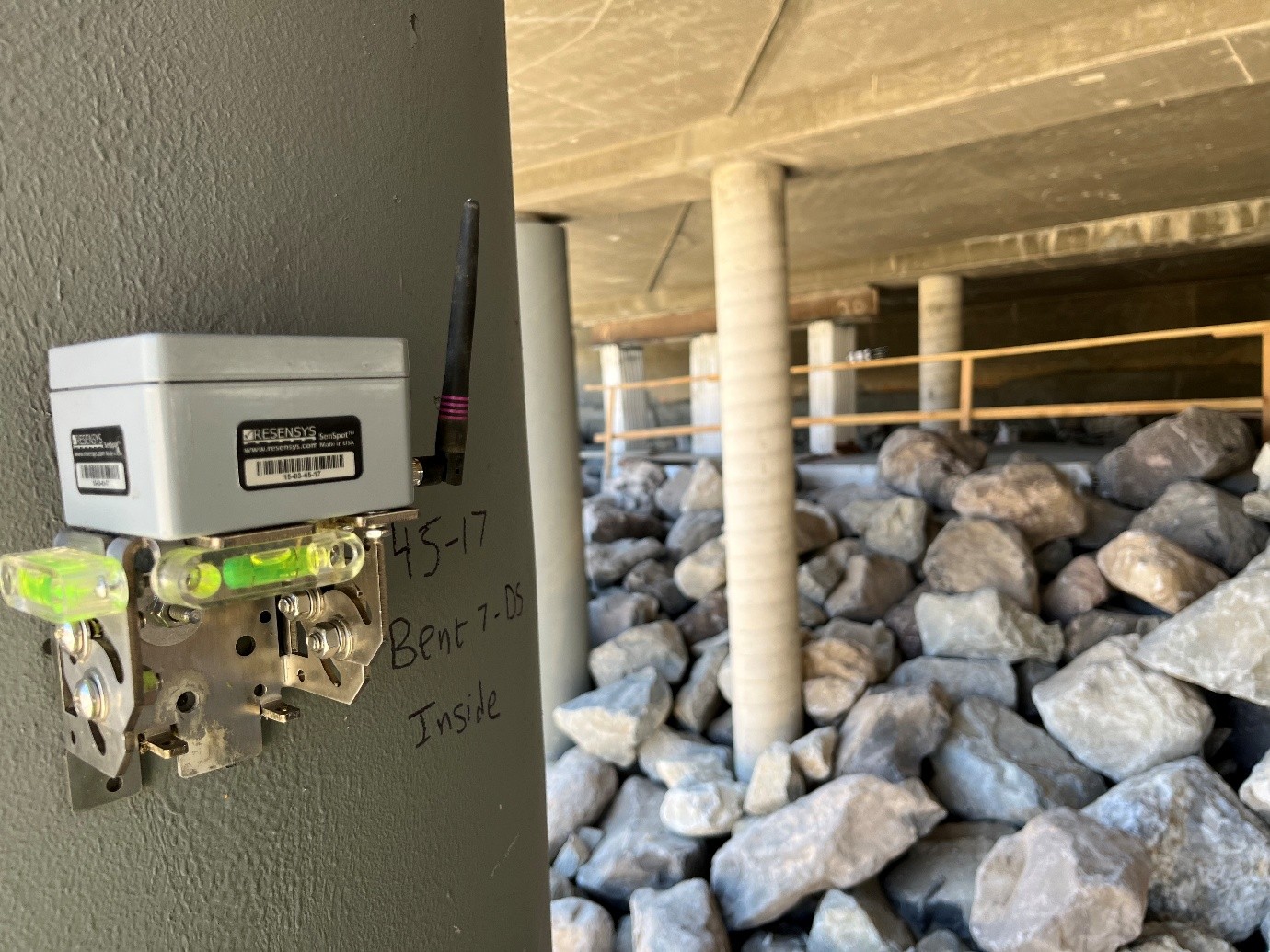
Tilt sensors detect angular movement, while displacement sensors measure shifts in position. Together, they provide critical insights into structural stability.
IoT and Cloud-Based Platforms
Modern monitoring systems use cloud platforms to collect, store, and analyze data in real time. Engineers can access insights remotely and receive alerts when thresholds are exceeded.
Visit Resensys’s real-time monitoring solutions
How Wireless Condition Monitoring Works (Step-by-Step)
- Sensor Installation
Sensors are placed on critical points of equipment or structures. - Continuous Data Collection
Sensors measure parameters such as vibration, strain, and tilt. - Wireless Data Transmission
Data is transmitted remotely without the need for cables. - Cloud-Based Analysis
Advanced algorithms process the data to identify patterns and anomalies. - Alerts and Insights
Engineers receive real-time alerts, enabling quick response to potential issues.
This seamless process ensures that potential failures are identified and addressed before they escalate.
Wireless Monitoring vs Traditional Inspection
| Feature | Traditional Inspection | Wireless Monitoring |
| Frequency | Periodic | Continuous |
| Data Type | Visual | Real-time |
| Risk Detection | Delayed | Early |
| Cost Approach | Reactive | Preventive |
Traditional inspections provide valuable information but are limited by their periodic nature. In contrast, wireless monitoring offers continuous visibility, enabling proactive maintenance strategies.
Read our blog for Structural Health Monitoring Trends Using Industrial Wireless Sensors
Benefits of Wireless Monitoring for Engineers and Asset Owners
Early Fault Detection
Continuous monitoring identifies issues at their earliest stages, reducing the risk of failure.
Reduced Downtime
By addressing problems before they escalate, organizations can avoid unexpected shutdowns.
Lower Maintenance Costs
Preventive maintenance is more cost-effective than emergency repairs.
Improved Safety
Real-time alerts help prevent accidents and ensure safer operations.
Data-Driven Decisions
Engineers can make informed decisions based on accurate, real-time data.
ROI for U.S. Infrastructure Projects
For infrastructure owners, the return on investment is significant:
- Reduced lifecycle costs
- Optimized maintenance schedules
- Improved asset reliability
- Better allocation of resources
Visit our blog for Low Power Wireless Sensors: The Shift to Zero-Maintenance Decade-Long Monitoring
Real-World Example: Preventing Failure with Early Detection
Consider a bridge experiencing increasing traffic loads. Over time, subtle changes in strain and tilt begin to occur. Without monitoring, these changes might go unnoticed until visible damage appears.
With wireless condition monitoring in place, sensors detect abnormal strain patterns early. Engineers receive alerts and investigate the issue, identifying a developing structural weakness. By addressing the problem proactively, they prevent a potential failure and avoid costly repairs.
Visit our blog for AI-driven monitoring insights
Applications Across Industries
Wireless condition monitoring is widely used across multiple sectors:
- Infrastructure: Bridges, tunnels, highways
- Manufacturing: Machinery and production lines
- Energy: Wind turbines, power plants
- Transportation: Railways and transit systems
These applications highlight the versatility and importance of monitoring systems in modern engineering.
Choosing the Right Monitoring System
Selecting the right system depends on several factors:
Type of Asset
Different structures and equipment require specific monitoring approaches.
Parameters to Measure
Identify key indicators such as vibration, strain, or tilt.
Wireless vs Wired Systems
Wireless systems offer greater flexibility, scalability, and lower installation costs.
Scalability and Longevity
Choose solutions that can grow with your infrastructure and provide reliable performance over time.
How Resensys Enables Reliable, Real-Time Monitoring
When implementing modern monitoring strategies, choosing the right technology partner is essential. Resensys provides advanced wireless sensing solutions designed for infrastructure and industrial applications.
Their systems are built to deliver continuous, real-time data without the complexity of wired installations. With low-power, long-life sensors, Resensys enables engineers to monitor assets over extended periods with minimal maintenance.
Key Advantages of Resensys Monitoring Solutions
- Wireless, low-power technology that simplifies deployment
- Real-time insights for proactive decision-making
- Scalable systems for projects of any size
- Long-term reliability for critical infrastructure
By leveraging these capabilities, engineers can transition from reactive maintenance to a proactive, data-driven approach.
The Future of Condition Monitoring
The future of condition monitoring is driven by innovation. Advances in AI, machine learning, and IoT are enabling more accurate predictions and automated decision-making.
Key trends include:
- Predictive analytics for failure prevention
- Integration with smart infrastructure systems
- Increased use of wireless and low-power sensors
- Automated alerts and reporting
As technology evolves, engineers will have even greater capabilities to monitor and protect critical assets.
Conclusion: A Shift Toward Proactive Engineering
Detecting equipment and structural issues before they cause failures is essential in today’s high-demand environment. Traditional methods alone are no longer sufficient to ensure safety and reliability.
Wireless condition monitoring provides a smarter, more proactive approach, offering continuous insights, early detection, and data-driven decision making. For engineers and infrastructure owners in the U.S., adopting these systems is key to reducing risks, lowering costs, and extending asset lifespan.
Explore how advanced monitoring solutions can help you gain real-time visibility into your assets and prevent costly failures before they happen.

About Author

Matt
-
 Resensys at 2024 IBTTA Maintenance, Engineering & Roadway Operations Workshop , Fort Myers, Florida, USA
Resensys will be exhibiting at 2024 IBTTA (International Bridge, Tunnel & Turnpike
-
 How Long Do Strain Gauges Actually Last? The Real Answer Every Infra Engineer Needs to Know
Ever installed a strain gauge sensor on a bridge and secretly wondered,