
Why Dams Need AI-Driven Monitoring?
Thousands of dams across the United States are approaching or exceeding their original design life while facing heavier environmental and operational stress than they were built to handle. Increasing rainfall intensity, flooding events, sediment accumulation, and fluctuating reservoir conditions are creating new infrastructure risks for dam operators and public agencies.
Traditional monitoring systems still provide valuable measurements, but isolated sensor readings alone are no longer sufficient for managing modern dam safety risks. Infrastructure teams now need systems that can continuously interpret structural behavior, detect abnormal patterns earlier, and support faster operational decisions.
Today, infrastructure owners are adopting AI-driven dam monitoring systems that combine wireless sensors, real-time analytics, and predictive intelligence to improve safety and operational decision making. These advanced systems help engineers detect seepage, deformation, pressure changes, and structural movement earlier, before small issues escalate into major failures.
This article examines why AI-driven monitoring is becoming essential for modern dam infrastructure and how intelligent monitoring systems help operators detect risks earlier and make more informed maintenance decisions.
Why Dam Safety Is Becoming a Critical Infrastructure Priority
Dam failures are low-frequency events, but when they occur, the consequences can be severe. Flooding, downstream infrastructure damage, environmental impact, water supply disruption, and public safety risks can escalate quickly once structural conditions begin deteriorating.
According to the American Society of Civil Engineers (ASCE), more than 17,000 dams across the United States are currently classified as high-hazard potential structures, meaning failure could result in loss of life and major economic damage. Many of these dams were constructed decades ago and now require continuous condition assessment rather than periodic inspection alone.
Climate variability is also increasing operational uncertainty. Extreme rainfall events, changing reservoir levels, prolonged drought conditions, and sediment buildup can alter loading conditions and hydraulic pressure patterns in ways that were not anticipated during original design.
This shift is pushing infrastructure operators toward continuous structural health monitoring and AI-driven risk analysis that can identify subtle changes before they develop into larger operational or safety concerns.
The Limitations of Traditional Dam Monitoring
While traditional monitoring methods remain important, they often struggle to provide the continuous visibility and predictive insight required for managing modern dam infrastructure risks.
- Periodic Inspections Miss Continuous Changes: Conventional inspections only capture a snapshot of conditions at a specific moment. Critical changes such as seepage progression, structural settlement, or deformation may develop long before the next inspection occurs.
- Sensors Alone Generate Fragmented Data: Modern dams generate large volumes of monitoring data, including vibration trends, seepage measurements, water levels, displacement readings, and structural movement data. Without AI-driven analysis, identifying meaningful correlations across these datasets becomes difficult and time consuming for engineering teams.
- Reactive Maintenance Increases Risk: Traditional maintenance approaches often respond to visible problems after they occur. These reactive models create budgeting challenges. Emergency repairs, unplanned shutdowns, and urgent remediation work are typically far more expensive than condition-based maintenance strategies supported by continuous monitoring.
What Makes a Dam “Smart”?
A smart dam integrates:
- Wireless monitoring systems
- Real-time data transmission
- Cloud-based analytics
- Artificial intelligence and predictive models
Instead of simply collecting data, smart infrastructure systems continuously analyze structural behavior and environmental conditions to identify emerging risks earlier.
This shift allows engineers to make faster, more informed decisions.
Read our blog for Integrating AI with Wireless SenSpot™ Sensor Data
Why AI Is Becoming Essential for Infrastructure Monitoring
Modern infrastructure monitoring systems collect far more data than engineers can realistically evaluate manually on a continuous basis. Large dams may generate thousands of sensor readings every day across multiple structural and environmental variables.
AI-driven monitoring platforms help engineers prioritize critical changes by identifying abnormal behavior patterns, detecting deviations from historical performance, and reducing false alarms that often overwhelm traditional monitoring systems.
Instead of relying entirely on threshold-based alerts, AI models can evaluate how different conditions interact over time, creating a more complete picture of infrastructure health and operational risk.
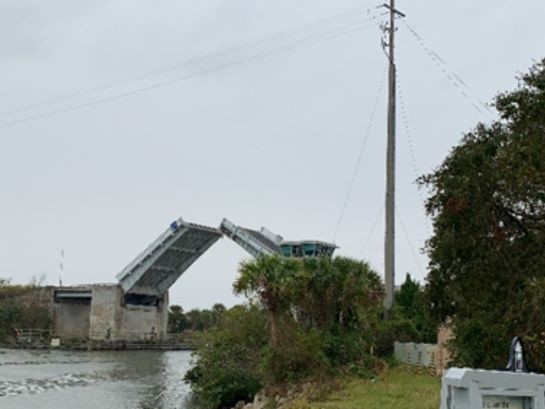
How AI-Driven Infrastructure Models Improve Dam Monitoring
AI-driven systems help engineers move beyond basic monitoring toward predictive infrastructure management.
- Detecting Seepage Patterns Earlier: Small seepage changes are not always dangerous on their own. The real concern is when seepage behavior changes unexpectedly over time. AI systems can compare historical seepage trends against current operating conditions and identify anomalies that may indicate internal erosion or drainage issues.
- Monitoring Structural Deformation in Real Time: Wireless tilt meters and displacement sensors help engineers track gradual movement that may indicate foundation settlement, embankment instability, or concrete deformation under changing hydraulic pressure.
- Predicting Failure Risks Using AI Analytics: Machine learning models analyze long-term structural behavior, environmental loading conditions, and historical monitoring data to identify risk patterns that may not be immediately visible through manual review alone.
- Improving Emergency Response Capabilities: During extreme weather events or sudden reservoir changes, AI-driven systems can prioritize critical alerts and provide operators with faster situational awareness for emergency response planning.
Key Technologies Used in Smart Dam Monitoring
Modern dam monitoring systems rely on multiple sensing and analytics technologies working together to provide continuous visibility into structural behavior, environmental conditions, and operational risk.
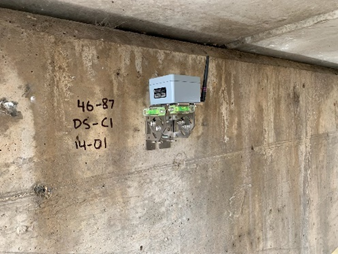
- Wireless Tilt Meters: In embankment dams and retaining structures, even minor rotational movement can indicate changing load distribution or developing instability. Continuous tilt monitoring helps engineers detect these changes earlier. Wireless tilt meters measure angular movement and structural rotation in dams, retaining walls, and surrounding infrastructure. These sensors help engineers identify instability and structural deformation earlier.
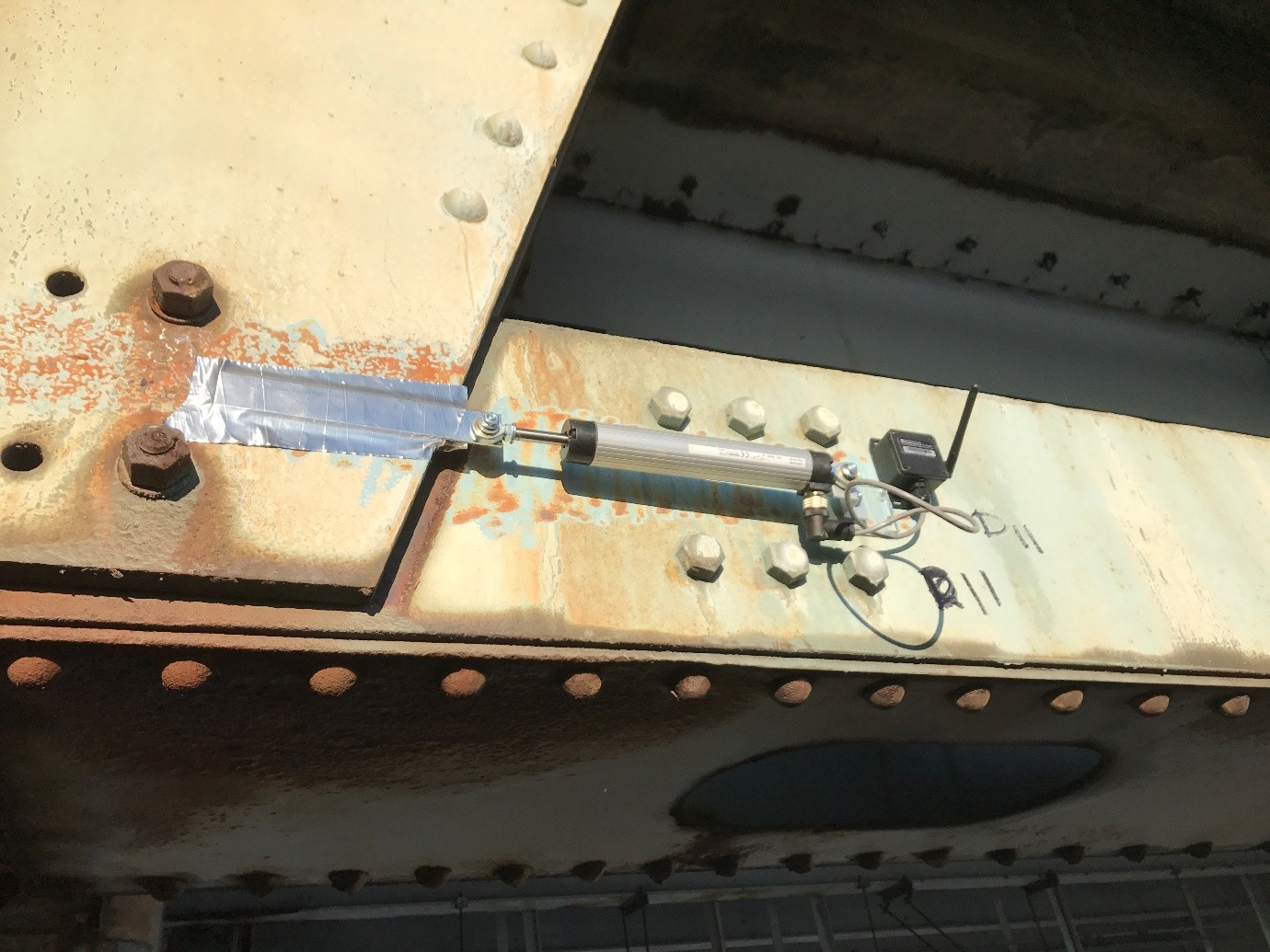
- Wireless Displacement Sensors: Long-term displacement trends are especially important for identifying slow structural movement that may otherwise remain unnoticed during periodic inspections.Displacement sensors track movement and settlement over time. Continuous displacement monitoring helps detect shifting structural conditions that may indicate long-term deterioration.
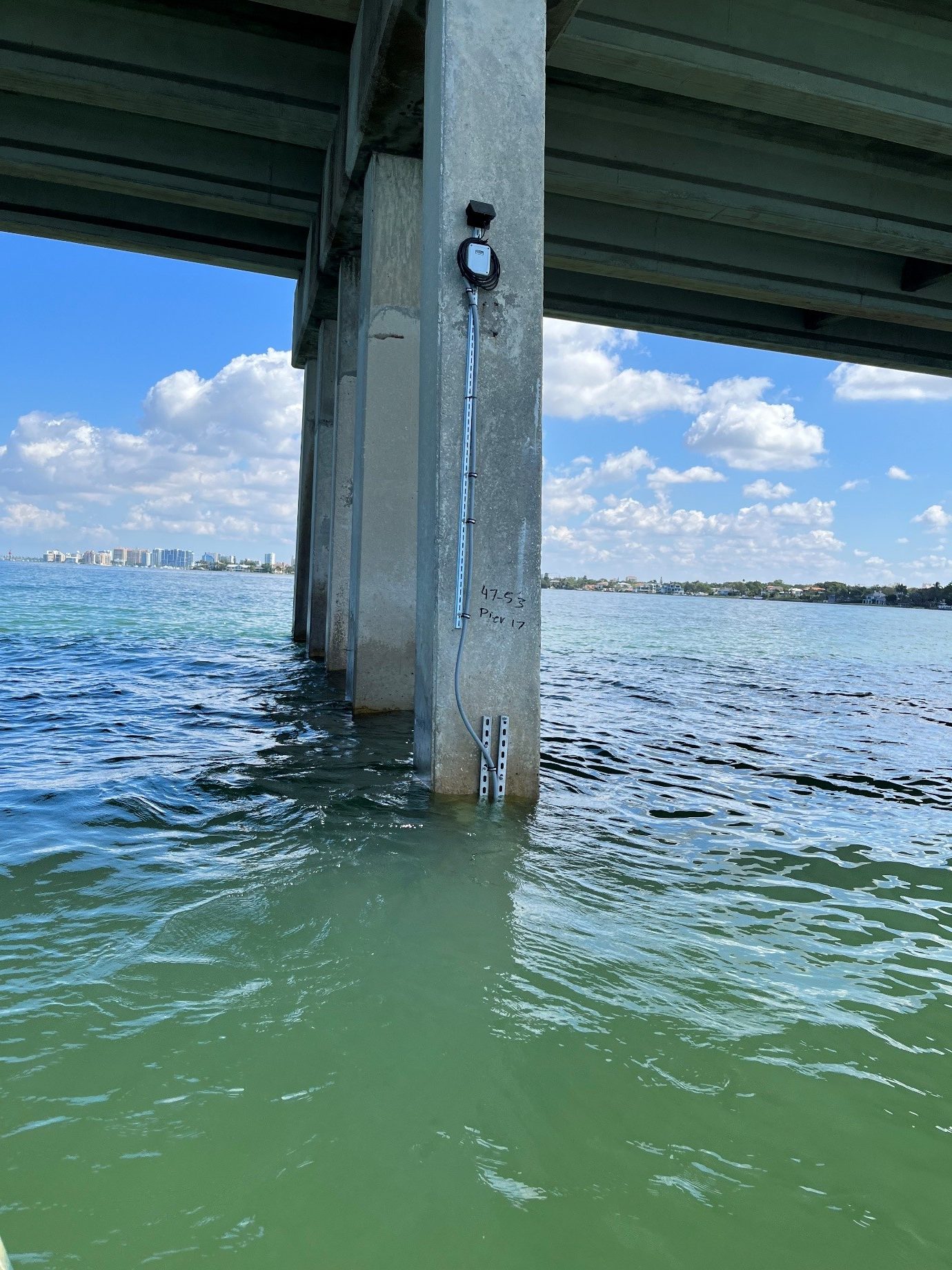
- Sonar Water Depth Monitoring: Continuous reservoir monitoring also helps operators manage changing hydraulic conditions more effectively during storms, drought conditions, and flood-control operations. Sonar-based monitoring systems continuously measure water depth and changing reservoir conditions in real time.
- Cloud-Based Monitoring Platforms: Cloud systems centralize infrastructure data and enable remote monitoring, automated alerts, and AI-driven analysis.
Wireless Sensors vs Traditional Monitoring Systems
As infrastructure monitoring requirements continue to evolve, many operators are replacing conventional systems with wireless technologies that provide greater flexibility, scalability, and real-time visibility.
| Feature | Traditional Systems | Smart Wireless Systems |
| Data Collection | Periodic | Continuous |
| Installation | Complex | Flexible |
| Risk Detection | Delayed | Early |
| Analytics | Manual | AI-Driven |
| Scalability | Limited | High |
Smart wireless systems simplify deployment while improving visibility into infrastructure health.
How Resensys Supports Smart Dam Monitoring
Resensys specializes in wireless structural health monitoring technologies designed for critical infrastructure applications, including dams, reservoirs, and water management systems.
Our monitoring solutions combine low-power wireless sensing with intelligent analytics to provide continuous infrastructure visibility and proactive risk detection.
Resensys Technologies for Dam & Water Infrastructure Monitoring
- Wireless Tilt Meters: The Resensys wireless tilt meter helps engineers monitor structural rotation, settlement, and deformation in real time. These sensors are especially useful for dams, retaining walls, and embankments where early movement detection is critical.
- Wireless Displacement Sensors: Resensys wireless displacement sensors continuously track structural movement and positional changes across infrastructure assets. This helps identify long-term settlement patterns and structural instability earlier.
- Wireless Sonar Water Depth Meter SenSpot™: The SenSpot™ Wireless Sonar Water Depth Meter provides real-time water depth measurements for reservoirs, dams, and flood-control systems.
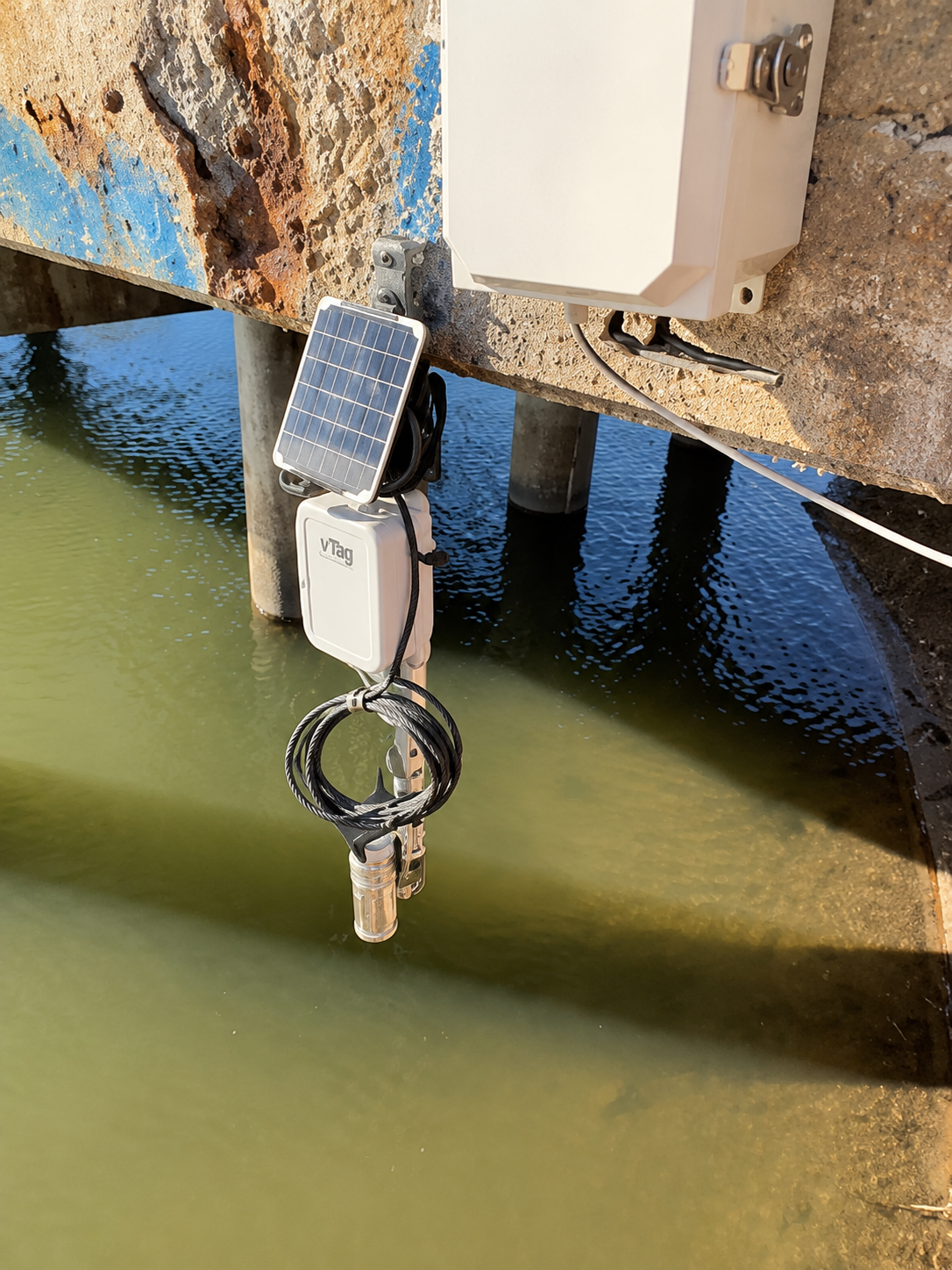
Key Benefits Include:
- Wireless deployment without complex cabling
- Continuous water level monitoring
- Real-time alerts and analytics
- Long-term, low maintenance operation
Explore Resensys monitoring technologies: Resensys Products
Supporting Smarter Infrastructure Decisions
By combining wireless sensors with AI-driven analytics, Resensys enables infrastructure operators to transition from reactive inspections toward predictive infrastructure management.
Our monitoring systems help:
- Detect risks earlier
- Improve operational safety
- Reduce maintenance costs
- Enable smarter long-term planning
Learn how smart monitoring solutions can support your infrastructure strategy:
Contact Resensys

About Author

Matt
-
 Resensys continoius strain monitoring SenSpot sensors for load-rating of Route 12 bridge over Mill Brooke, Connecticut
On the warm early fall morning of the 22nd of September, 2015,
-
 Deployment of Temperature SenSpot in a tunnel in Calgary
The trip to Calgary was fun for the most part but the