
Tilt Sensor vs Strain Sensor: Which One Actually Tells You What’s Wrong with Your Infrastructure?
With more than 623,000 bridges across the U.S. and a $191 billion bridge rehabilitation funding gap, infrastructure owners can no longer afford to rely solely on what’s visible during routine inspections. The real question has shifted from whether we should monitor these structures to which sensors actually give engineers the timely, actionable data they need to catch problems early and make smarter maintenance decisions.
That’s the exact moment a lot of infrastructure teams realize they’ve been flying blind.
Structural health monitoring (SHM) isn’t about collecting pretty graphs. It’s about knowing whether that pier is settling, whether the steel is fatiguing under loads it was never designed for, or whether a retaining wall is starting to lean before it becomes a very expensive (and public) problem.
Two of the most common tools in the SHM toolbox are tilt sensors (also called inclinometers) and strain sensors (strain gauges). However, you do need to understand what each one actually tells you and when using both together gives you a picture you can actually act on.
According to the 2025 ASCE Infrastructure Report Card, the U.S. has more than 623,000 bridges. Only 44.1% are in good condition. 49.1% are fair. 6.8% are poor. Dams aren’t doing much better: over 92,000 dams nationwide, with nearly 17,000 classified as high-hazard potential. The funding gap just for bridges sits at $373 billion. The overall infrastructure funding gap is approaching $3.7 trillion. In other words, we don’t have the money (or the crews) to inspect everything the old way forever. That’s why forward-thinking DOTs, dam operators, and building owners are moving hard toward predictive main
What a Tilt Sensor Actually Does
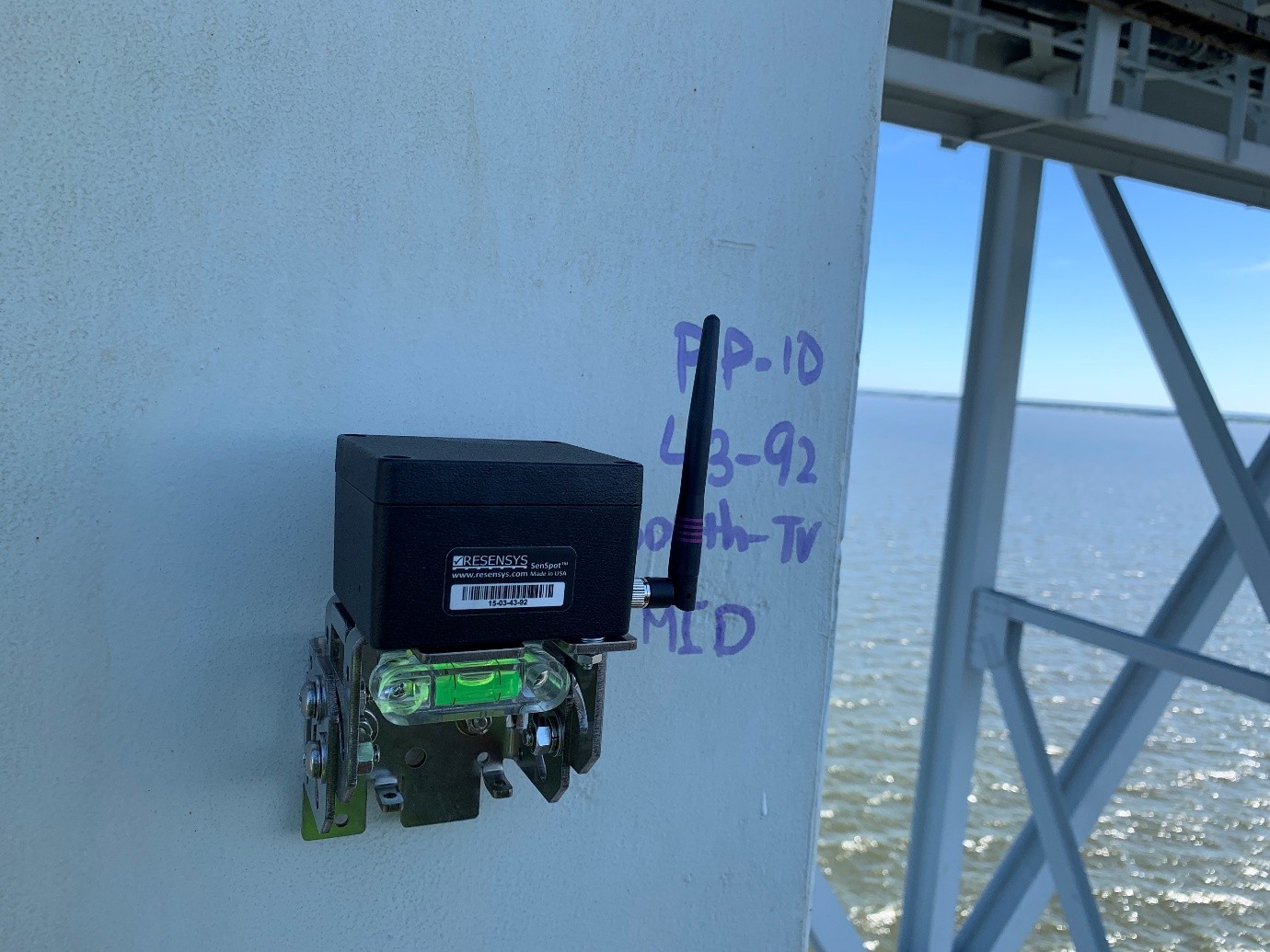
A tilt sensor measures angular movement – how much a structure is leaning, rotating, or settling over time. Even tiny changes (sometimes just hundredths of a degree) can signal foundation movement, pier rotation, embankment deformation, or building sway.
Think of it like this: your bridge or dam isn’t supposed to be a drama queen. But if one side starts dropping or rotating, even a little, the tilt sensor is the first one to raise its hand.
Tilt sensors shine when you care about:
- Foundation settlement
- Structural rotation or leaning
- Retaining wall or slope movement
- Bridge pier displacement
- High-rise building sway from wind or thermal effects
They’re excellent early-warning tools because movement often shows up before visible cracking or major stress changes. Many engineers use them on dams and retaining walls precisely because gradual deformation is the classic failure mode.
What a Strain Sensor Actually Does (And Why It Sees What Tilt Sensors Miss)
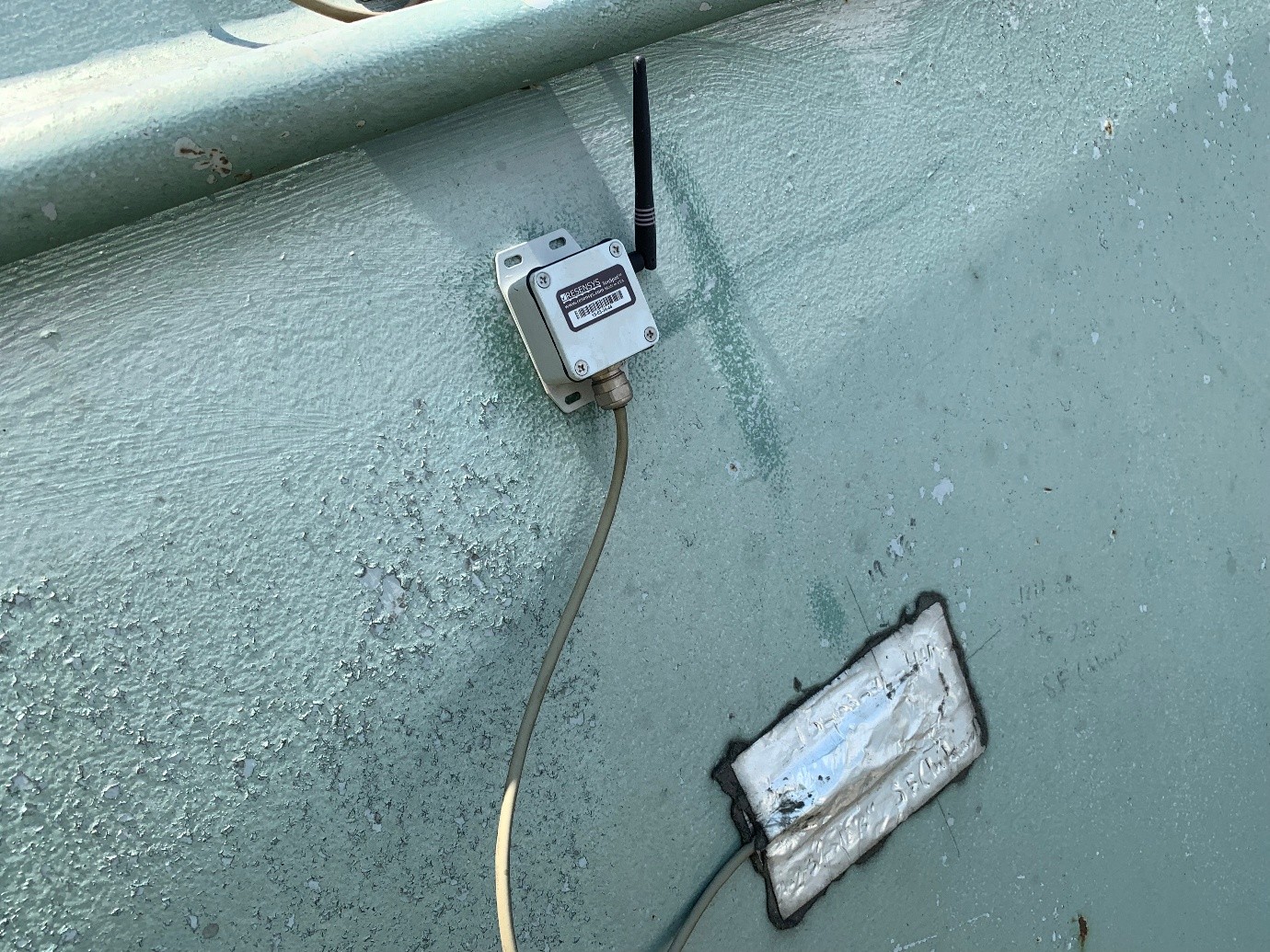
A strain sensor measures what’s happening inside the material itself – how much steel or concrete is stretching, compressing, or fatiguing under load.
While a tilt sensor tells you the structure is moving, a strain sensor tells you whether that movement is causing dangerous stress concentrations or fatigue accumulation.
Strain sensors are the go-to when you need to understand:
- Bridge fatigue from repeated truck traffic
- Load distribution across beams or girders
- Long-term material deterioration
- How a structure is actually responding to operational demands
If tilt sensors are the “is it leaning?” check, strain sensors are the “is the steel screaming under the load?” check.
Tilt vs Strain: The Real-World Difference
Here’s the practical breakdown most engineers care about:
| What You Need to Know | Tilt Sensor Wins | Strain Sensor Wins | Best Approach |
| Foundation settlement / leaning | Excellent | Limited | Tilt primary |
| Fatigue & material stress | Limited | Excellent | Strain primary |
| Early warning before visible damage | Strong | Strong | Both together |
| Bridge fatigue monitoring | Supportive | Primary | Both |
| Dam embankment movement | Primary | Supportive | Both |
| High-rise sway & rotation | Primary | Supportive | Both |
| Predictive maintenance value | High | High | Highest when combined |
A tilt sensor might flag that a bridge pier has rotated 0.12 degrees over six months. A strain sensor on the same pier might show that the rotation is causing stress concentrations in the cap beam that are accelerating fatigue. Together they tell you not just that something is happening, but why and how fast you need to act.
When Tilt Sensors Are Usually the Smarter Starting Point
- Retaining walls and slopes (gradual movement is the main risk)
- Dams and embankments (deformation monitoring is critical for safety)
- Foundation settlement on any structure
- Situations where you need simple, robust, long-term movement data with minimal installation hassle
When Strain Sensors Earn Their Keep
- Heavily trafficked bridges where fatigue is the dominant concern
- Steel structures where you need to understand actual load paths and stress
- Any asset where you’re trying to extend service life and need hard data on material condition
Why Resensys
The best structural health monitoring programs almost always combine tilt, strain, and often vibration sensors. One data stream alone leaves blind spots.
At Resensys, we built the SenSpot™ platform specifically for this reality. Our wireless tilt sensors give you continuous, high-precision inclination data with 10+ year battery life and dead-simple installation. Our wireless strain gauge sensors deliver high-resolution stress and deformation measurements on the same wireless backbone.
Our sensors feed data into the SenScope™ cloud dashboard. That means one login, one alert system, and one clear picture of whether your asset is just moving or whether it’s actually stressed and heading toward trouble.
Infrastructure owners using this combined approach consistently tell us the biggest win isn’t just catching problems earlier. It’s finally being able to move from “we inspect every two years and hope nothing happened” to confident, data-driven maintenance planning that actually stretches limited budgets further.
The Future Is Multi-Sensor + AI (And It’s Already Here)
Research from MIT, FHWA, and NIST continues to show that combining multiple sensor types with AI analytics dramatically improves the ability to distinguish between normal environmental movement and genuine structural concerns. Digital twins are moving from buzzword to practical tool because they need rich, multi-parameter data to be useful.
The organizations that will be ahead in five years are the ones treating structural health monitoring as core infrastructure intelligence and not an optional add-on.
Bottom Line
Tilt sensors tell you how the structure is moving. Strain sensors tell you how the materials are responding to that movement (and to the loads they’re carrying).
Each is valuable and when used together on a wireless platform like SenSpot™, they give you the kind of visibility that turns reactive firefighting into proactive, defensible decision-making.
If you’re responsible for bridges, dams, retaining walls, or critical buildings, the question isn’t really “tilt or strain?” anymore. It’s “How soon can we stop guessing?”
Ready to see what continuous, multi-sensor monitoring actually looks like on your infrastructure? Reach out at info@resensys.com or explore our wireless solutions at here.
Frequently Asked Questions
Which is better: a tilt sensor or a strain sensor?
Neither is universally better. Tilt sensors are ideal for monitoring movement and settlement, while strain sensors are best for measuring stress, deformation, and fatigue.
Can tilt sensors detect structural damage?
Tilt sensors can identify movement that may indicate structural problems, but they do not directly measure material stress or damage.
What is the best sensor for bridge monitoring?
Many bridge monitoring systems use a combination of tilt sensors, strain gauges, vibration sensors, and displacement sensors to provide a complete picture of structural health.
Do digital twins use both tilt and strain sensors?
Yes. Digital twin platforms often integrate multiple sensor types to improve accuracy and provide more comprehensive infrastructure insights.
Can wireless sensors replace traditional inspections?
Wireless sensors enhance traditional inspections by providing continuous monitoring, but they are typically used alongside inspection programs rather than replacing them entirely.

About Author

Matt
-
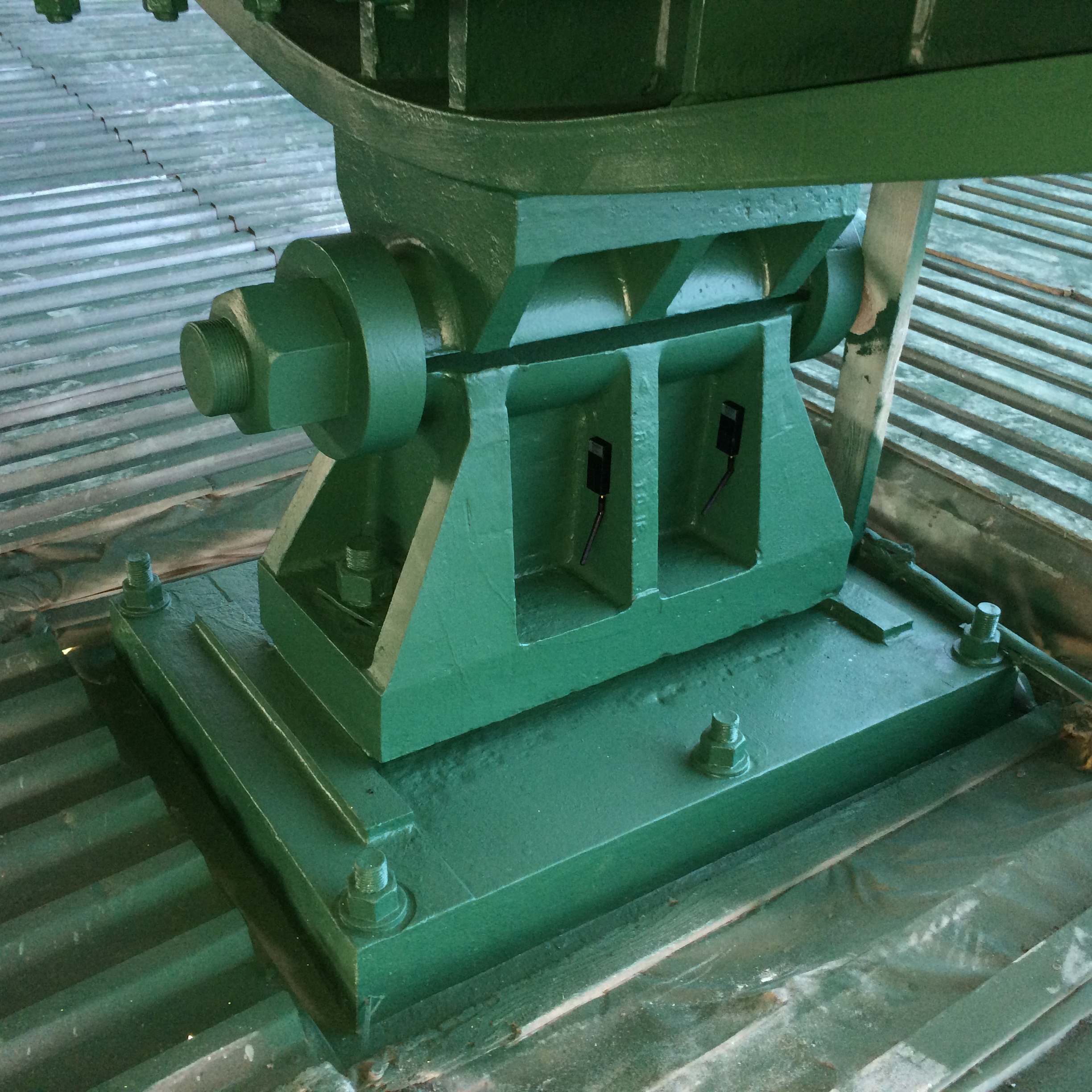 Resensys Wireless Senspot sensor deployed to monitor I-70 Bridge over Patapsco River
In September 2014, a Resensys structural health monitoring system was deployed on
-
 Resensys Wireless Bridge Monitoring in NASA Kennedy Space Center
Resensys Wireless Gauges play a vital role in overseeing NASA’s movable bridges