
Why Aging Infrastructure Needs More Than Just Inspections
Aging infrastructure across the United States is under increasing pressure from heavier loads, environmental stress, and deferred maintenance. While routine inspections have long been the standard approach, they often fail to detect early-stage or hidden damage. Today, structural monitoring solutions provide continuous, real-time insights, helping engineers identify risks early, improve safety, and reduce long-term costs.
What Is Aging Infrastructure and Why Is It a Growing Concern?
Aging infrastructure refers to bridges, highways, tunnels, and other civil assets that have exceeded or are nearing the end of their original design life. In the U.S., a significant portion of infrastructure was built decades ago and is now exposed to conditions it was never designed to handle.
Increased traffic volumes, heavier freight loads, and climate-related stressors, such as temperature fluctuations, flooding, and corrosion, accelerate structural deterioration. As a result, maintaining safety and performance has become more complex and urgent than ever.
For state Departments of Transportation (DOTs), municipalities, and infrastructure owners, the challenge is not just maintaining these assets, but doing so efficiently, safely, and within budget constraints.
Why Traditional Inspections Are No Longer Enough
For decades, infrastructure maintenance has relied heavily on periodic inspections, typically conducted every one to two years. While these inspections are essential, they provide only a limited snapshot of a structure’s condition at a specific point in time.
Key Limitations of Visual Inspections
- Snapshot in time: Inspections capture conditions only during the visit, missing changes that occur between intervals.
- Surface-level assessment: Many structural issues, such as internal strain or micro-cracks, are not visible to the human eye.
- Subjectivity: Results can vary depending on the inspector’s experience and interpretation.
- Safety risks: Inspecting large structures like bridges often involves hazardous conditions.
- Labor-intensive and costly: Repeated inspections require manpower, equipment, and traffic disruptions.
Traditional inspections are limited because they provide periodic, surface-level insights and cannot detect real-time or internal structural changes. This creates gaps in visibility, gaps where risks can grow unnoticed.
Read our Blog for Integrating AI with Wireless SenSpot™ Sensor Data
The Hidden Risks of Relying Only on Inspections
When infrastructure monitoring depends solely on inspections, critical warning signs can go undetected. Structural issues such as gradual tilting, increasing strain, or material fatigue often develop silently over time.
By the time visible damage appears, the problem may already be severe, requiring costly emergency repairs or even leading to structural failure.
Key Risks Include:
- Sudden failures without warning
- Undetected structural movement or stress accumulation
- Increased liability for asset owners
- Higher repair and maintenance costs
- Unplanned downtime and service disruptions
In a risk-sensitive environment like infrastructure, delayed detection is not just a technical issue, it’s a financial and public safety concern.
What Are Structural Monitoring Solutions?
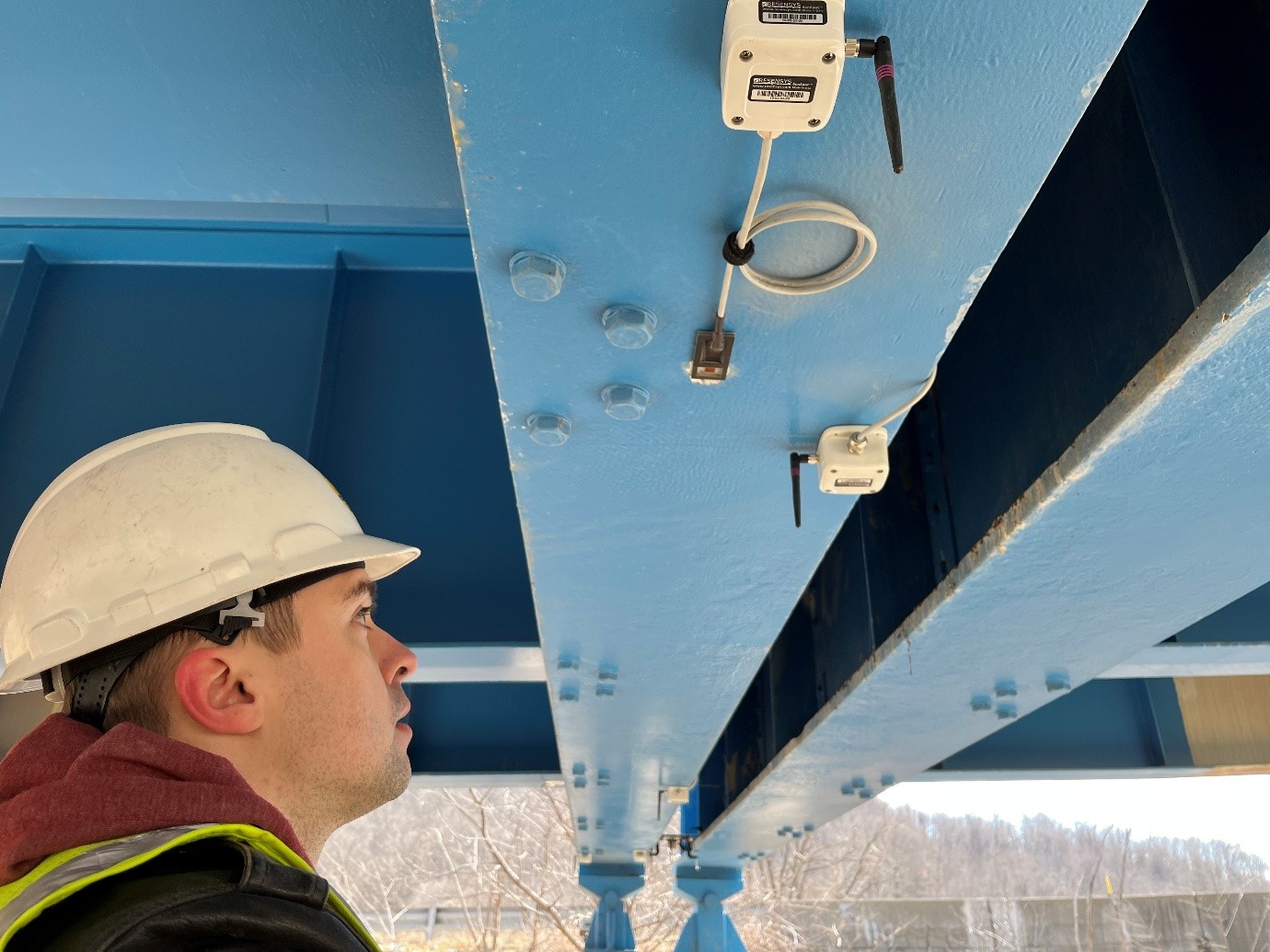
Structural monitoring solutions are advanced systems that use sensors and data analytics to continuously track the condition of infrastructure in real time. Unlike inspections, which are periodic, monitoring provides ongoing visibility into how a structure behaves under actual conditions.
These systems collect data on parameters such as strain, tilt, vibration, temperature, and displacement, helping engineers detect early signs of deterioration before they escalate.
Structural monitoring solutions use sensors and real-time data to continuously track infrastructure health and detect early signs of damage.
Key Technologies Used
- Wireless sensors: Enable remote data collection without extensive cabling
- Strain gauges: Measure stress and load effects on structural elements
- Tilt sensors: Detect angular movement or instability
- Vibration sensors: Monitor dynamic behavior and potential anomalies
- IoT and cloud platforms: Provide real-time data access, alerts, and analytics
These technologies work together to create a comprehensive, data-driven view of structural performance.
Structural Monitoring vs. Inspections
| Feature | Traditional Inspections | Structural Monitoring |
| Frequency | Periodic (1–2 years) | Continuous (24/7) |
| Data Type | Visual observations | Real-time sensor data |
| Accuracy | Moderate | High |
| Risk Detection | Often delayed | Early detection |
| Cost Approach | Reactive | Preventive |
This comparison highlights a fundamental shift: from reactive maintenance based on visible issues to proactive management based on continuous insights.
Benefits of Continuous Monitoring for Aging Infrastructure
1. Early Damage Detection
Continuous monitoring identifies subtle changes, such as increasing strain or slight tilting, before they become critical problems. This allows engineers to intervene early and prevent escalation.
2. Reduced Maintenance Costs
By addressing issues early, infrastructure owners can avoid expensive emergency repairs and optimize maintenance schedules.
3. Improved Safety
Real-time alerts enable faster response to potential risks, reducing the likelihood of accidents and ensuring public safety.
4. Extended Asset Lifespan
Monitoring helps maintain structures in optimal condition, delaying the need for costly replacements.
5. Data-Driven Decision Making
Instead of relying on assumptions or limited inspection data, engineers can make informed decisions based on continuous performance insights.
ROI Perspective for U.S. Infrastructure Owners
For DOTs and municipalities, the value of monitoring extends beyond safety, it directly impacts budgets.
- Lower lifecycle costs: Preventive maintenance is significantly cheaper than reactive repairs
- Optimized resource allocation: Focus efforts where they are truly needed
- Reduced downtime: Avoid unexpected closures and disruptions
- Better funding justification: Data supports grant applications and budget approvals
In a budget-constrained environment, investing in monitoring is not an added expense, it’s a cost-saving strategy.
How Real-Time Data Prevents Structural Failures
Real-time data transforms how infrastructure is managed. Instead of waiting for visible signs of damage, engineers receive continuous updates on structural behavior.
For example, if a bridge begins to experience unusual strain patterns due to increased load or environmental factors, monitoring systems can trigger alerts immediately. Engineers can then investigate and address the issue before it worsens.
This approach, known as predictive maintenance, shifts the focus from reacting to failures to preventing them altogether.
Read our blog for Alert Fatigue in Infrastructure Monitoring
How State DOTs and Engineers Are Adopting Smarter Approaches
Across the United States, infrastructure agencies are embracing digital transformation. With increasing pressure to maintain aging assets efficiently, many are turning to advanced monitoring technologies.
Smart infrastructure initiatives are being supported by federal funding programs and innovation mandates. These initiatives prioritize:
- Real-time data collection
- Remote monitoring capabilities
- Integration with asset management systems
- Scalable, long-term solutions
By adopting these technologies, DOTs can move toward a more proactive and resilient infrastructure strategy.
Choosing the Right Monitoring Approach for Your Structure
Not all structures require the same monitoring strategy. Selecting the right approach depends on several factors:
Type of Structure
Bridges, tunnels, buildings, and retaining walls each have unique monitoring needs.
Key Parameters to Measure
- Strain and stress
- Tilt and displacement
- Vibration and dynamic response
- Environmental conditions
Wireless vs. Wired Systems
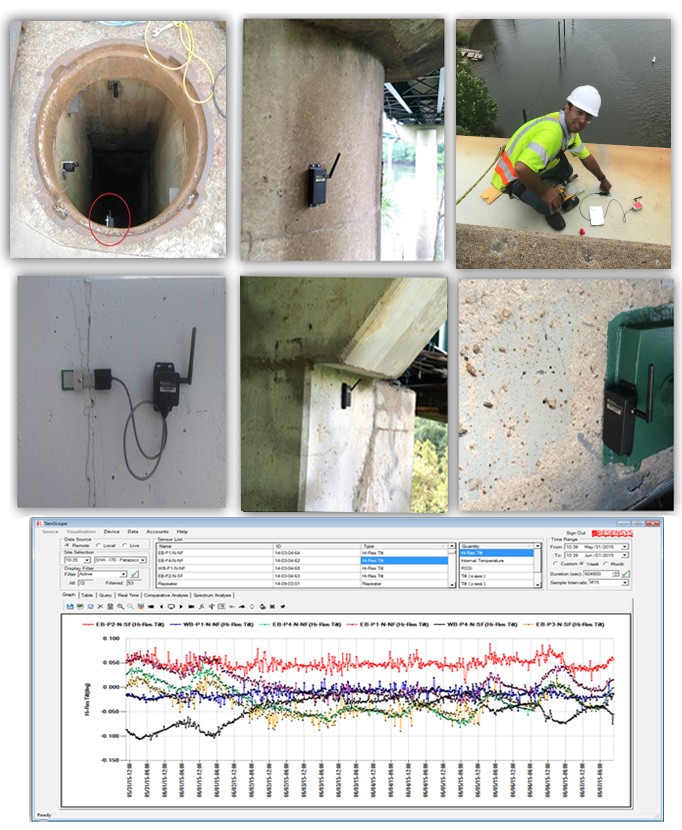
Wireless systems are often preferred for their ease of installation, scalability, and lower maintenance requirements.
Scalability and Longevity
Choose solutions that can grow with your infrastructure and provide reliable performance over the long term.
The Role of Advanced Monitoring Technology
Modern infrastructure monitoring is not just about collecting data, it’s about turning data into actionable insights.
Advanced monitoring systems, like those offered by Resensys, combine wireless sensing technology with intelligent analytics to deliver:
- Real-time alerts and notifications
- Long-term performance trends
- Easy integration with existing systems
- Low-maintenance, scalable deployments
By leveraging these capabilities, infrastructure owners can gain complete visibility into structural health, without the limitations of traditional methods.
Conclusion: Moving Beyond Inspections to Smarter Infrastructure Management
Inspections will always play a role in infrastructure maintenance, but they are no longer sufficient on their own. As infrastructure continues to age and demands increase, relying solely on periodic assessments creates unnecessary risks.
Structural monitoring solutions offer a smarter, more proactive approach. By providing continuous, real-time insights, they enable early detection, improve safety, reduce costs, and extend the lifespan of critical assets.
For U.S. infrastructure owners and engineers, the shift is clear: From reactive inspections to proactive, data-driven monitoring.
Now is the time to move beyond limitations and adopt technologies that ensure safer, more resilient infrastructure for the future.

About Author

Matt
-
 Shopping Mall Covered (Victoria)
The renovation of a structure (e.g. a shopping mall) in Victoria revealed
-
 Alert Fatigue in Infrastructure Monitoring
Why Alert Fatigue Is a Growing Risk for Infrastructure Owners Digital monitoring