

Temperature monitoring in industrial and infrastructure applications has evolved from manual readings to automated wireless systems providing continuous data collection. An industrial wireless temperature monitoring system offers advantages over traditional wired solutions, particularly in remote locations, hazardous
SeniMax™ Archive

Structural Health Monitoring Trends Using Industrial Wireless Sensors
As infrastructure systems grow larger, older, and more complex, traditional inspection methods are no longer sufficient to ensure safety, reliability, and performance. Manual inspections, periodic testing, and reactive maintenance approaches often fail to detect early-stage damage or
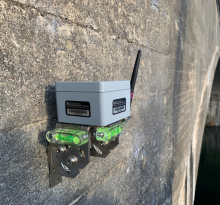
Inclinometer Installation and Applications: Complete Technical Reference for Structural Monitoring
Structural tilt monitoring has become increasingly important as aging infrastructure demands continuous assessment of stability and movement. Inclinometer sensors provide precise measurements of angular changes in structures ranging from bridge piers and settlement to building foundations, offering

Geotechnical Monitoring Parameters and Instrumentation Best Practices for Infrastructure Projects
Modern infrastructure projects demand precise geotechnical mon itoring to ensure safety, longevity, and performance. With aging infrastructure systems across the globe, geotechnical engineering professionals must implement comprehensive monitoring strategies that capture critical parameters and provide actionable insights

Pipeline Monitoring Sensors: Complete Guide to Leak Detection and Real-Time Monitoring Systems
Pipeline failures cost the oil and gas industry billions of dollars annually while posing serious environmental and safety risks. According to the Pipeline and Hazardous Materials Safety Administration (PHMSA), over 8,000 pipeline incidents occurred in the United

Ground Vibration Monitoring With Wireless Sensor Solutions for Infrastructure Safety
Ground vibrations from construction activities, blasting operations, and heavy machinery pose serious threats to nearby infrastructure. Ground vibration monitoring plays a vital role in maintaining the safety and stability of modern infrastructure. With increasing construction activity, aging

Understanding Strain and Stress Measurements: An Engineer’s Guide to Precision Monitoring
Strain measurement represents the foundation of modern structural health monitoring, providing engineers with unprecedented insight into material behaviour under various loading conditions. By understanding the principles of strain measurement, engineers can perform more accurate structural assessments, implement

Flood Warning Systems and Real-Time Monitoring: A Smarter Approach to Mitigating Risk
Floods are one of the most devastating natural disasters, with the potential to disrupt transportation, damage infrastructure, and threaten lives. As climate events grow more frequent and intense, the need for smarter, faster, and more reliable flood

How Wireless and IoT Slope Monitoring Systems Help Detect Landslides
Slope instability remains one of the most persistent threats to infrastructure, human safety, and environmental sustainability. In landslide-prone regions, traditional monitoring techniques often fall short due to their reactive nature and limitations in real-time data capture. Today,

From Reactive to Predictive: Smarter Maintenance Strategies
When it comes to managing critical infrastructure and industrial assets, the stakes are high. Reactive maintenance—fixing problems after they occur—has long been the standard, but this outdated approach often results in costly downtime, emergency repairs, and compromised