
Why Modern Skyscrapers Sway More Than You Think and How Wireless Sensors Keep Them Safe
Modern skyscrapers are taller, lighter, and more flexible than ever, which is great for architecture, but it also turns them into giant tuning forks for wind, storms, earthquakes, and temperature swings. With the U.S. home to hundreds of buildings over 150 meters tall, many in hurricane-prone or seismically active zones – real-time structural health monitoring isn’t a luxury anymore. It’s essential.
According to the American Society of Civil Engineers (ASCE) and NIST reports on tall building performance, extreme environmental forces are increasing, and traditional periodic inspections simply can’t keep up with the hidden stresses these structures face daily.
At Resensys, we’ve seen firsthand how wireless tilt sensors, Wireless Vibration Sensors, and Displacement Crack Sensors are quietly becoming the unsung heroes that let engineers sleep better at night.
Why Extreme Conditions Hit Skyscrapers Harder Than Ever
These buildings are engineered to flex, but repeated stress adds up. The biggest daily threats include:
- High wind loads and storm-induced sway
- Seismic vibrations
- Thermal expansion and contraction from wild temperature swings
- Foundation settlement and soil shifts
- Long-term structural fatigue
FEMA has repeatedly highlighted how climate-driven events are ramping up the need for continuous, resilient monitoring. Wind-induced fatigue alone can create microscopic cracks that grow over time if left unchecked.
The Hidden Risks Tall Buildings Face Every Single Day
- Wind-Induced Building Sway
Tall structures naturally sway in the wind. Too much movement doesn’t just spook occupants, it accelerates fatigue in connections and materials. - Structural Vibration and Fatigue
Wind, traffic, mechanical systems, and earthquakes create constant low-level (and sometimes high-level) vibrations that slowly wear down components. - Foundation Settlement and Tilt
Even tiny shifts in the foundation can signal bigger problems. A few degrees of tilt over time adds up fast. - Crack Growth and Displacement
Thermal stress and dynamic loads cause cracks to form and widen. Catching them early prevents expensive or dangerous surprises.
How Smart Structural Health Monitoring Changes the Game
Today’s best systems combine wireless tilt sensors, Wireless Vibration Sensors, and Displacement Crack Sensors with cloud analytics to deliver real-time insights. No more waiting for visible damage or scheduling risky rope-access inspections.
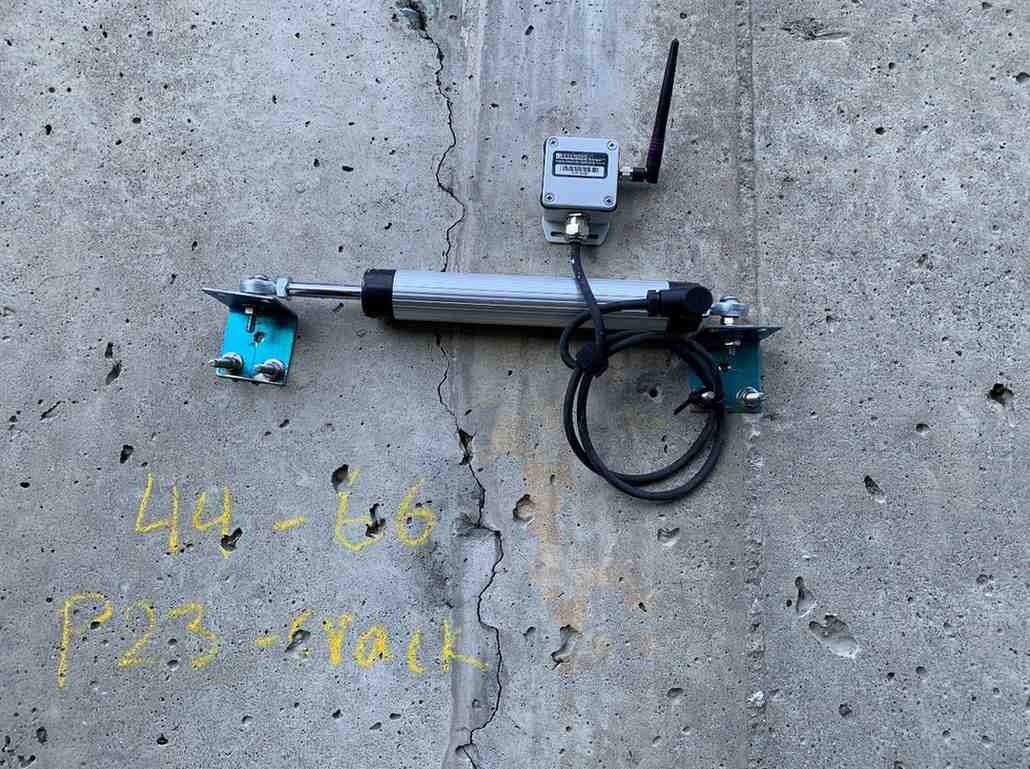
These sensors give you:
- Continuous data on movement, vibration, tilt, and crack progression
- Early warnings before problems escalate
- The ability to shift from reactive fixes to true predictive maintenance
Wireless vs. Traditional Wired Systems – Why Wireless Wins for High-Rises
| Feature | Traditional Wired Systems | Wireless Monitoring Systems |
| Installation Complexity | High (cabling nightmares) | Low & non-disruptive |
| Scalability | Limited | Highly scalable |
| Maintenance | Higher | Much lower |
| Real-Time Data | Moderate | Advanced & remote |
| Deployment Speed | Slow | Fast |
Wireless systems eliminate cable degradation, lightning vulnerability, and the logistical headache of running wires up 50+ stories. They’re simply built for the real world.
How Resensys Makes High-Rise Monitoring Practical and Powerful
We’ve built our systems for the brutal realities of field deployment on bridges, dams, and now high-rises.
Our SenSpot™ platform delivers:
- Wireless Vibration Sensors: Real-time tracking of dynamic response, fatigue, and storm behavior
- Wireless Tilt Sensors: Precise monitoring of sway, foundation movement, and inclination
- Displacement Crack Sensors: Early detection of crack growth and structural shifts
All with long battery life, easy installation, minimal maintenance, and cloud-based SenScope™ dashboards you can check from your desk or from the job site.
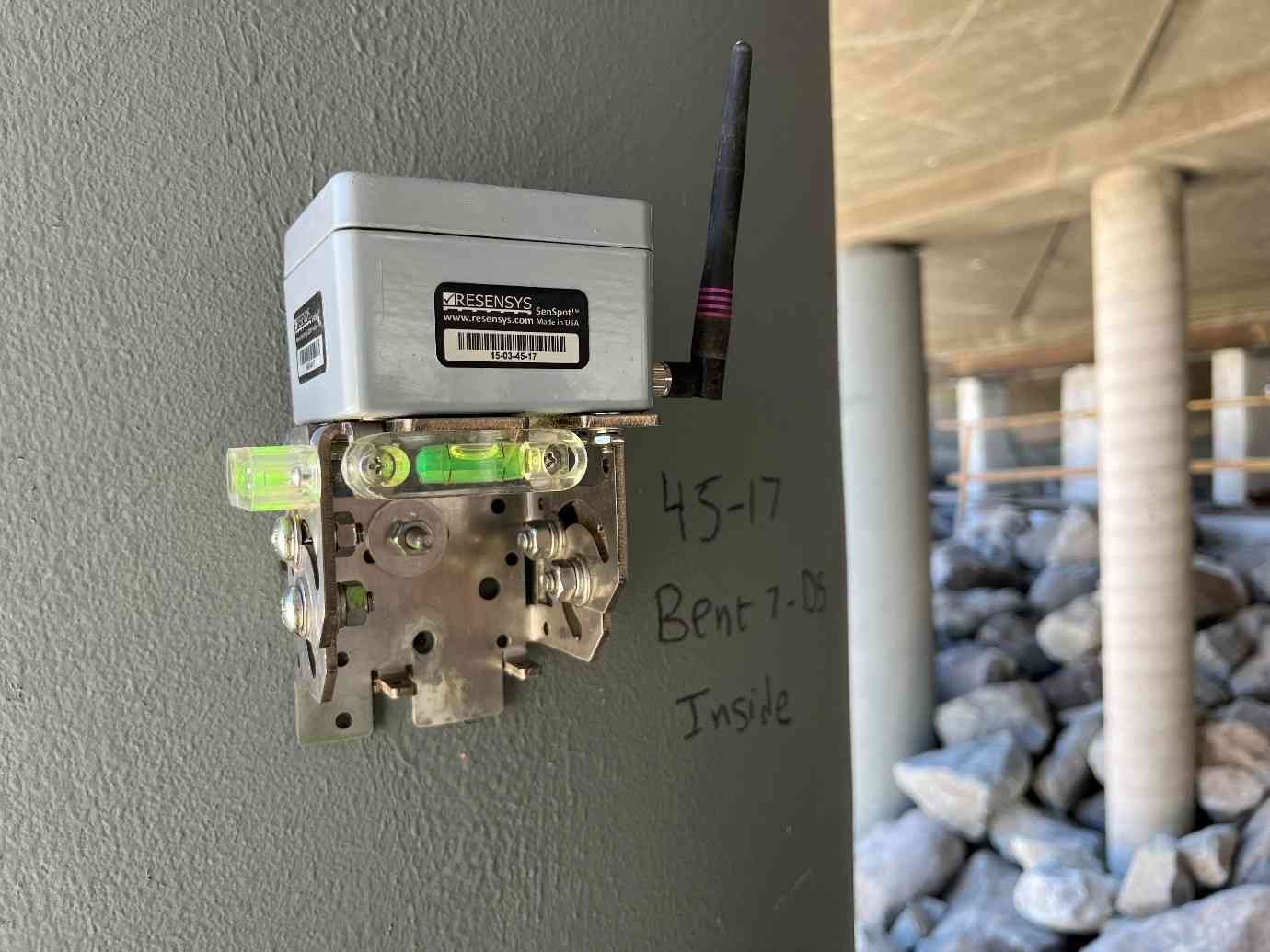
Engineers and building owners love them because they finally get clear, actionable data instead of guesswork.
The Future Is Wireless, AI-Powered, and Proactive
AI and digital twin technology are taking structural health monitoring to the next level – spotting subtle patterns, thus predicting issues before they happen. Research from MIT shows this shift is already improving safety and slashing long-term costs.
Bottom Line
Modern skyscrapers are incredible feats of engineering, but they’re under more environmental pressure than ever. Relying solely on occasional visual inspections is like checking your car’s oil once a decade.
With advanced wireless tilt sensors, Wireless Vibration Sensors, and Displacement Crack Sensors from Resensys, you get the continuous visibility you need to protect occupants, extend building life, and make smarter maintenance decisions.
If you’re responsible for a high-rise (or any critical structure), don’t wait for the next big wind event to wonder what’s really going on inside your building.
Ready to give your skyscraper the monitoring it deserves? Reach out at info@resensys.com or explore our wireless solutions here.

About Author

Matt
-
 Resensys at 2023 Midwest Bridge Preservation Partnership (MWBPP) Annual Meeting, Deadwood, South Dakota, USA
Resensys will be exhibiting at 2023 Midwest Bridge Preservation Partnership (MWBPP) Annual
-
 Inclinometer Installation and Applications: Complete Technical Reference for Structural Monitoring
Structural tilt monitoring has become increasingly important as aging infrastructure demands continuous